About this trip.
Comparing firms? Every Camino holiday on Mooch, route by route.
Before you book: Walking holidays vs cycling holidays — when each one is the right answer · Which Camino route is right for you — an honest opinion on each of the seven
From Porto to the Spanish border
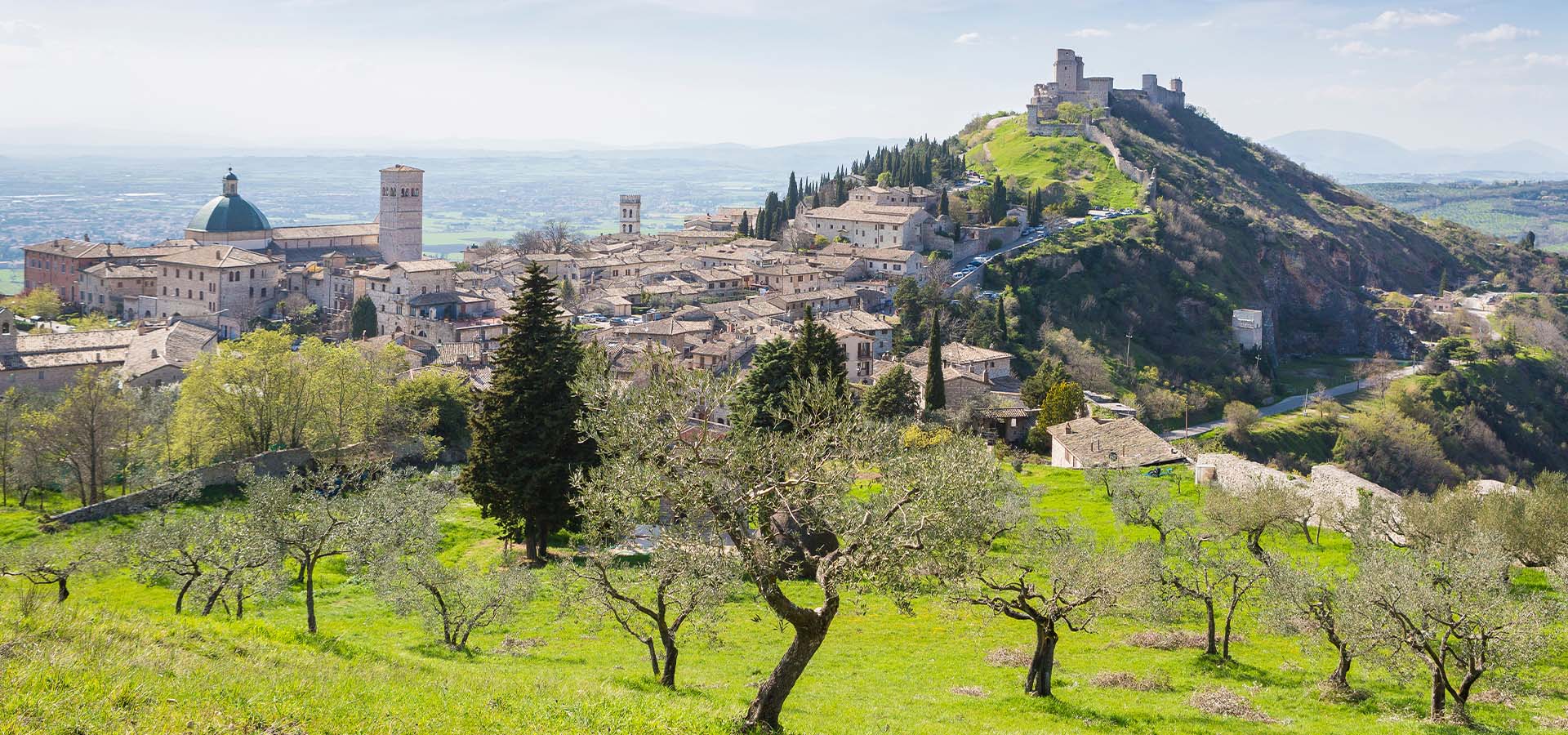
This is the last section of the Camino Portugues you walk in Portugal. It leaves the coastal city of Porto and heads north and inland, passing traditional and historical villages including Barcelos and Ponte de Lima. You cross the Lima and then the Minho River, reaching the border with Spain and your destination, the town of Tui. The Camino Portugues became an extremely popular route when Portugal gained its independence in the 12th century. The area mattered to the Romans, and centuries later it mattered again to the Portuguese independence movement.
The walking starts gently from Porto. The terrain gets gradually hillier as you approach the border and enter Galicia. There are plenty of facilities along the way.
Time in Porto
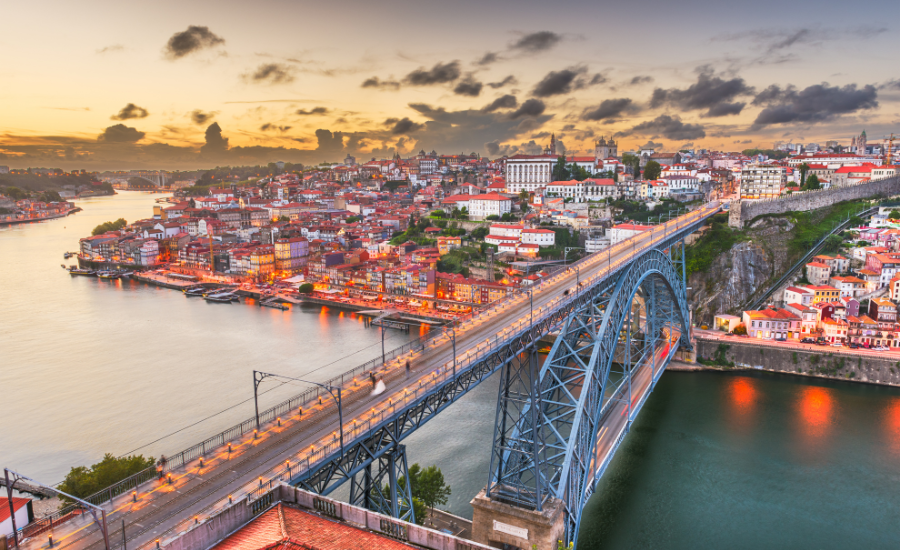
Porto is a lively coastal city in the north of Portugal, and it's worth adding an extra night so you have time to explore it. You can wander the mediaeval streets of the Ribeira District, take a boat ride on the Douro, or cross one of the city's many bridges to Vila Nova de Gaia on the southern bank. That's where the port wine houses are, offering tastings and cellar tours as well as views back across to the city.
Barcelos and Ponte de Lima
Barcelos is a mediaeval town on a hill above the Cavado River. It holds the oldest and largest outdoor market in the region every Thursday, selling food alongside hand-woven linens and local pottery. You'll see the rooster of Barcelos everywhere. The legend goes that a judge wrongly condemned a pilgrim to hang, and then, with the intervention of St James, a dead chicken came back to life on the judge's dinner table. The judge went back to the gallows and found the condemned man still alive. The rooster is now a widely recognised symbol of Portugal.
Ponte de Lima is one of the oldest towns in Portugal and takes its name from its bridge, which is said to mark the spot where the Romans crossed the river. According to legend, the troops refused to cross because they believed it was the river of forgetfulness. One of the generals crossed first and then called each soldier over by name to prove them wrong. Today 24 wooden soldiers stand on the riverbank, waiting to be called across.
What's included
The holiday includes bed and breakfast in hand-picked accommodation, a holiday or pilgrim pack, 24/7 on-call support and a virtual face-to-face briefing before you leave. Luggage transfers between hotels are an optional extra and are not included in the starting price.
The shape of the trip.
Everything you might be wondering.
Q1How hard is it really?
The grading is set by the operator and usually reflects daily distance and total ascent. As a rule of thumb: if you can comfortably manage a 5-6 hour hillwalk at home on a weekend, a moderate-graded route will be fine. Read the day-by-day notes carefully, and train with a loaded pack in the months before.
Q2Can I do this solo?
Yes — self-guided walking holidays are well suited to solo travellers, and some operators waive the single-room supplement on certain departures. The route notes are written for confident independent walkers, and most operators run a 24/7 support line.
Q3Do I need to speak the language?
No. Hotels and restaurants on the route are used to English-speaking walkers. A phrasebook for menus and a few polite basics (hello, thank you, please) is all you really need. The operator's support line speaks English.
Q4Can I bring my dog?
Some routes are dog-friendly, others aren't — it depends on whether all the accommodation on the itinerary accepts dogs. Check with the operator before booking. If you do bring a dog, you'll need a pet passport, up-to-date rabies vaccination, and a lead for villages.
Q5What if it rains?
The route is walkable in rain — your luggage travels ahead regardless, so you'll always arrive somewhere dry. Some trails get slippery in wet weather and the operator's support line can arrange a taxi for any stage if conditions are properly bad.
Q6How do I get there from the UK?
Most routes are reachable by a short flight to a nearby airport, followed by train or transfer. The operator will usually point you at the nearest airport and can advise on rail connections. Some will book train tickets on your behalf for a small fee.
Q7Can I shorten or extend it?
Usually yes. Many operators offer shorter versions of a route as a standalone, and most will add extra nights at the start or end at their own rates. Ask when you enquire — they'll tailor it before booking.
Q8What about cancellation?
Typically a deposit (usually 20-25%) is taken at booking, with the balance due 8-10 weeks before departure. The operator's own terms apply — Mooch doesn't handle the booking or refunds. Travel insurance is strongly recommended.
Three walking holidays, side-by-side.
The closest walking holidays on Mooch, by trail, then region, then country. Prices are the operators' own, per person.