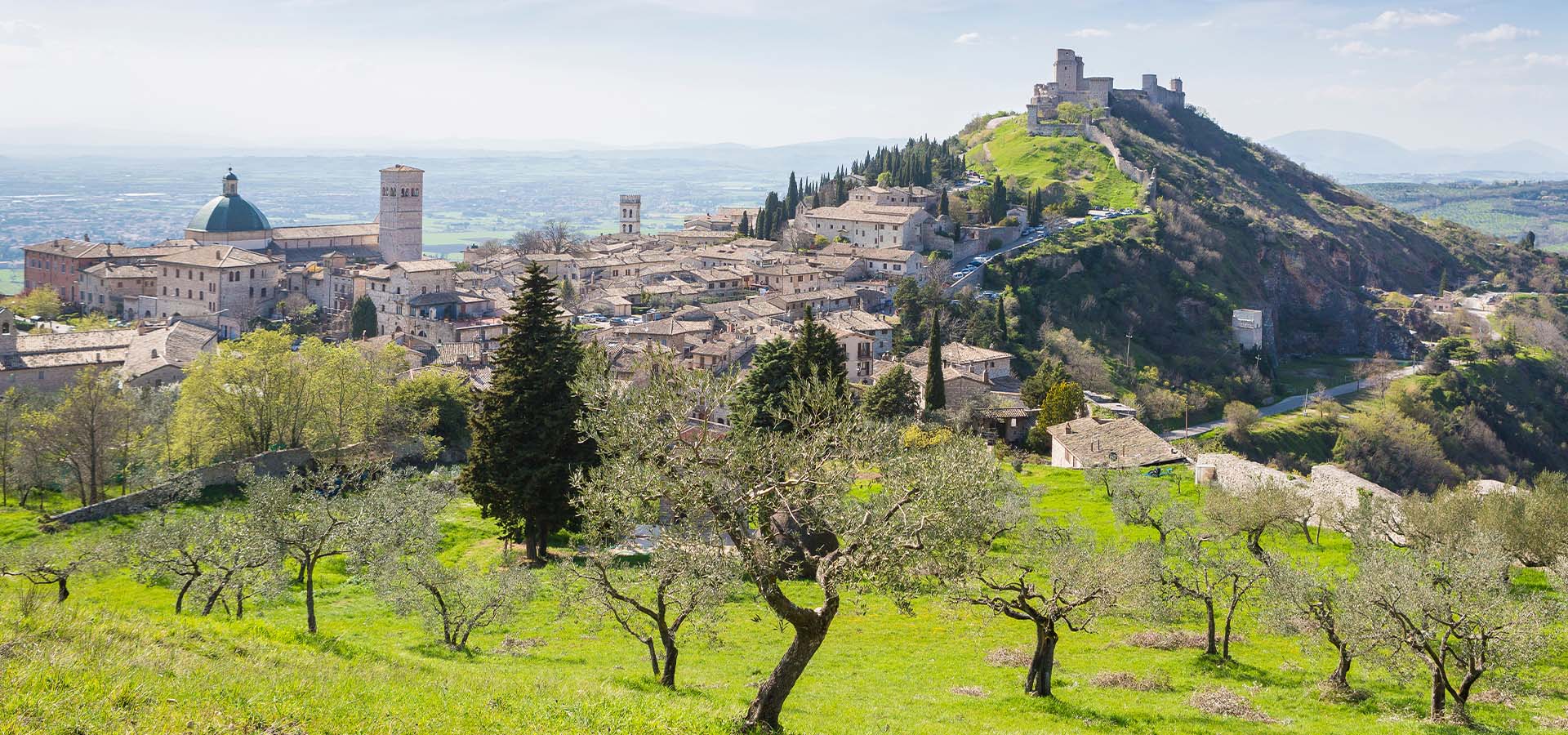
Full Camino Portugues Coastal (Porto to Santiago)
About this trip.
Comparing firms? Every Camino holiday on Mooch, route by route.
Before you book: Walking holidays vs cycling holidays — when each one is the right answer · Which Camino route is right for you — an honest opinion on each of the seven
Porto to Santiago along the Atlantic
The Portuguese Coastal Way runs 259km from Porto to Santiago de Compostela and is one of the most scenic routes of the Camino Portugués. It takes 12 walking days. The route follows sandy beaches, fishing villages and coastal boardwalks, crosses the Minho estuary into Spain, then turns inland through the Rías Baixas to Santiago.
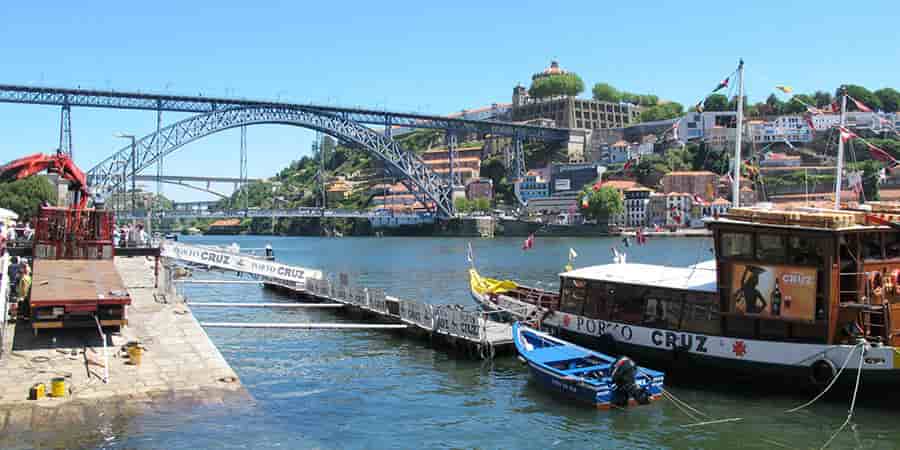
You start in Porto, with its UNESCO-listed old town, riverfront and Port wine. The advice is to take the Metro to Matosinhos and get off at the Mercado stop. That's the easiest way to reach the coast and it avoids the city's outskirts. The yellow arrows start from there. The first stage follows the coastline past fishing villages, forts and chapels, the prehistoric Castro of San Paio and sandy beaches.
The Portuguese coast
Póvoa de Varzim has a harbour and a medieval district to explore, and the Convento de Santa Clara gives the best views of the town and coast. The route then crosses the Coastal Natural Park, Parque Natural do Litoral Norte, by way of Esposende to Viana do Castelo. There a funicular takes you up to the Basílica de Santa Luzía for the views. Next comes an easy day along the coast to Vila Praia de Ancora, then on to Caminha, where the Minho meets the Atlantic. From there you can walk straight to A Guarda, or take a detour along the estuary for coastal views, which adds 4km.
In Portugal you have a choice of paths. The Senda Litoral hugs the shoreline, while the better-waymarked Caminho da Costa runs slightly inland in places. Both meet again and lead to the same finishing points, and your route notes cover both.
Galicia and the final stages
Over the border, A Guarda is a fishing village with a famous hilltop castro, a Celtic settlement. The path heads north with the ocean on your left to Baiona, a busy seaside town with a marina, the Museo de la Carabela Pinta and the Monumento Encuentro entre dos Mundos. You then follow the coast through Nigrán, where the blue flag beach Praia América is good for a swim on a hot day, to the city of Vigo. From there you look across the bay to the Illas Cíes and their Natural Park. The last day on the coast is a short one, with a chance to try the famous oysters in the fishing village of Arcade.
From Redondela the route joins the Camino Portugués Central. You cross the Verdugo River at Ponte Sampaio, where Napoleon's army suffered one of its greatest defeats in Galicia, and walk on to Pontevedra. After Pontevedra the path runs through chestnut groves and pine and eucalyptus woods. Along the way you pass the rectory of Santa María de Alba at Ponte Cabras, a statue of Saint James at Lombo da Maceira, and the fountain and public washing area in the hamlet of Tivo. The stage ends in the spa town of Caldas de Reis. The next day you cross the river Umia, climb gradually through forest to Santa Mariña and cross the river Fontenlo to reach Padrón. Padrón is believed to be where the body of Saint James arrived by ship. In Santiago you can explore the cobbled streets of the UNESCO-listed old town, the Alameda Park and the Mercado de Abastos.
Self-guided arrangements
The trip is self-guided. It includes hand-picked accommodation, daily luggage transfers, a digital route pack with maps and 24/7 support while you walk. You can add rest days or extra nights wherever you like. Where it's available, you can choose Country Cottages, restored country homes and farmhouses in rural communities. In some locations only the standard hotels and guesthouses may be available.
The shape of the trip.
Everything you might be wondering.
Q1How hard is it really?
The grading is set by the operator and usually reflects daily distance and total ascent. As a rule of thumb: if you can comfortably manage a 5-6 hour hillwalk at home on a weekend, a moderate-graded route will be fine. Read the day-by-day notes carefully, and train with a loaded pack in the months before.
Q2Can I do this solo?
Yes — self-guided walking holidays are well suited to solo travellers, and some operators waive the single-room supplement on certain departures. The route notes are written for confident independent walkers, and most operators run a 24/7 support line.
Q3Do I need to speak the language?
No. Hotels and restaurants on the route are used to English-speaking walkers. A phrasebook for menus and a few polite basics (hello, thank you, please) is all you really need. The operator's support line speaks English.
Q4Can I bring my dog?
Some routes are dog-friendly, others aren't — it depends on whether all the accommodation on the itinerary accepts dogs. Check with the operator before booking. If you do bring a dog, you'll need a pet passport, up-to-date rabies vaccination, and a lead for villages.
Q5What if it rains?
The route is walkable in rain — your luggage travels ahead regardless, so you'll always arrive somewhere dry. Some trails get slippery in wet weather and the operator's support line can arrange a taxi for any stage if conditions are properly bad.
Q6How do I get there from the UK?
Most routes are reachable by a short flight to a nearby airport, followed by train or transfer. The operator will usually point you at the nearest airport and can advise on rail connections. Some will book train tickets on your behalf for a small fee.
Q7Can I shorten or extend it?
Usually yes. Many operators offer shorter versions of a route as a standalone, and most will add extra nights at the start or end at their own rates. Ask when you enquire — they'll tailor it before booking.
Q8What about cancellation?
Typically a deposit (usually 20-25%) is taken at booking, with the balance due 8-10 weeks before departure. The operator's own terms apply — Mooch doesn't handle the booking or refunds. Travel insurance is strongly recommended.
Three walking holidays, side-by-side.
The closest walking holidays on Mooch, by trail, then region, then country. Prices are the operators' own, per person.