Classic Slovenia
About this trip.
The Karst in practice
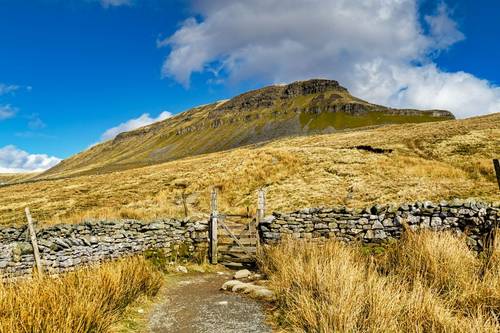
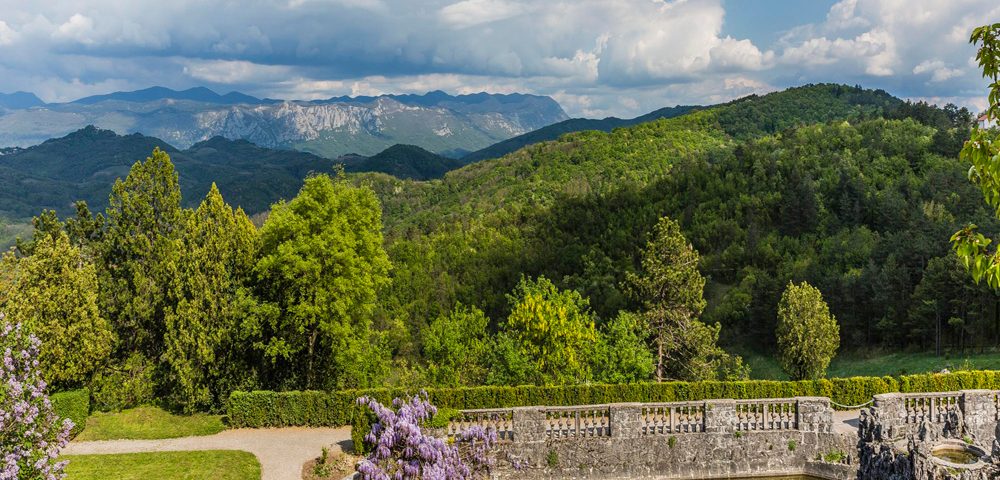
The Karst is a limestone plateau in south-western Slovenia, and this self-guided walking route crosses it from Ljubljana down to Trieste on the Adriatic. The countryside is woodland and hay meadow, broken up by vineyards, orchards of pear, apple and plum, and olive groves further south. Villages like Goce and Kodreti are unvarnished and quiet — small enough that you walk through pasture with cows, goats and the occasional donkey rather than past hotels. Predjama Castle, wedged into the mouth of a cliff cave, and the Skocjan Caves underground are the headline sights. Up on Mount Nanos, a ridge walk opens out across the plateau. Slovenia here is wonderfully green and clean, as people who've walked this route tend to say without prompting.
Stage by stage
Days run 4¼ to 5¾ hours of walking, and the route comes in three lengths — four, five or six nights. You begin in Ljubljana, where the Triple Bridge crosses the Ljubljanica river, before transferring south to Landol to start walking. From there it threads through Goce, where the Church of Mary of the Snow looks down over vineyards and terracotta roofs, on to Kodreti for a wine tasting in the village, then to Vipava and Stanjel — home of the Ferrari Gardens — and Sezana. The final day descends to Trieste, with its long waterfront and the Adriatic beyond. Bags are moved on for you each day, so you walk with a daypack and arrive on foot at each night's lodging.
Bookings and logistics
Prices start at £865 for the four-night route, £975 for five nights and £1090 for six. The walking is self-guided but well supported: route notes come through an app with GPS navigation and pop-up information at landmarks along the way, and there's a local contact, Miha, who handles weather changes, last-minute reroutes and the small problems that come up — one walker described having a rained-off day turned into a wine tasting without much fuss. Dinners are often eaten in the place you're staying, which suits the rural pace, and English is widely spoken in tourist-facing places along the way.
The route suits walkers who'd rather see countryside than cities, and who like the idea of walking from one night's bed to the next. Nothing here is strenuous, but the Nanos ridge has some climb and most days are full enough to feel like proper walking. A rest day works well midway — Predjama and the Skocjan Caves are the obvious add-ons, and e-bikes can be hired for those who'd rather not walk to them.
The shape of the trip.
What's typically in the price, what isn't.
A general guide for walking holidays of this kind. Check the operator's booking page for the final inclusions on this specific trip.
Typically included
- ✓Hotel accommodation, double or twin en-suite rooms
- ✓Daily breakfast at each hotel
- ✓Luggage transfer between hotels on every walking day
- ✓Detailed route notes with maps and GPX files
- ✓24/7 support line in English for the duration of the trip
Typically not included
- ×Flights to and from the country of travel
- ×Travel insurance (strongly recommended)
- ×Lunches — typically a village picnic or café stop
- ×Some evening meals — depends on the specific itinerary
- ×Alcohol beyond any wine included with set dinners
- ×Optional room or transfer upgrades
Everything you might be wondering.
Q1How hard is it really?
The grading is set by the operator and usually reflects daily distance and total ascent. As a rule of thumb: if you can comfortably manage a 5-6 hour hillwalk at home on a weekend, a moderate-graded route will be fine. Read the day-by-day notes carefully, and train with a loaded pack in the months before.
Q2Can I do this solo?
Yes — self-guided walking holidays are well suited to solo travellers, and some operators waive the single-room supplement on certain departures. The route notes are written for confident independent walkers, and most operators run a 24/7 support line.
Q3Do I need to speak the language?
No. Hotels and restaurants on the route are used to English-speaking walkers. A phrasebook for menus and a few polite basics (hello, thank you, please) is all you really need. The operator's support line speaks English.
Q4Can I bring my dog?
Some routes are dog-friendly, others aren't — it depends on whether all the accommodation on the itinerary accepts dogs. Check with the operator before booking. If you do bring a dog, you'll need a pet passport, up-to-date rabies vaccination, and a lead for villages.
Q5What if it rains?
The route is walkable in rain — your luggage travels ahead regardless, so you'll always arrive somewhere dry. Some trails get slippery in wet weather and the operator's support line can arrange a taxi for any stage if conditions are properly bad.
Q6How do I get there from the UK?
Most routes are reachable by a short flight to a nearby airport, followed by train or transfer. The operator will usually point you at the nearest airport and can advise on rail connections. Some will book train tickets on your behalf for a small fee.
Q7Can I shorten or extend it?
Usually yes. Many operators offer shorter versions of a route as a standalone, and most will add extra nights at the start or end at their own rates. Ask when you enquire — they'll tailor it before booking.
Q8What about cancellation?
Typically a deposit (usually 20-25%) is taken at booking, with the balance due 8-10 weeks before departure. The operator's own terms apply — Mooch doesn't handle the booking or refunds. Travel insurance is strongly recommended.
Three walking holidays, side-by-side.
Other walking holidays on Mooch in the same spirit. All prices per person, from the operator.