North Coast 500 & Isle of Skye
About this trip.
The North Coast 500 is a 516-mile loop that starts and ends at Inverness Castle, tracing the top of mainland Scotland through Wester Ross, Sutherland and Caithness. Add the Isle of Skye to the west and you have the bones of this holiday: a self-drive route through some of the least populated country in Britain, with days on foot woven in.
The character of the Far North
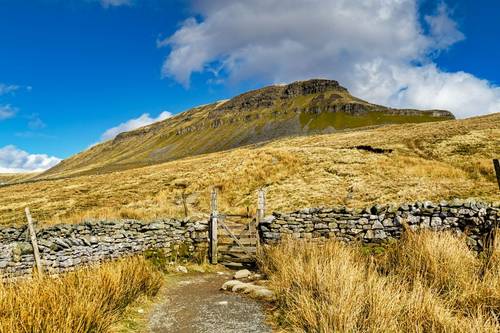
This is not the manicured Highlands of the picture books. The landscape further north thins out — single-track roads, passing places, stretches where the nearest village is half an hour away. Wester Ross gives you sea lochs and Torridonian sandstone; Sutherland is emptier still, all bog and quartzite peaks; the north coast proper, around Durness and Bettyhill, feels closer to the Arctic than to Edinburgh. Skye, by contrast, is busier and more theatrical — the Cuillin, the Quiraing, the Old Man of Storr — a place worth slowing down for rather than ticking off.
The drive and the walks on Skye
The format is self-drive with walks built in along the way. You collect a hire car and work your way around the loop at your own pace, with accommodation pre-booked each night and suggested routes at the best stopping points. Expect a mix: short coastal rambles, half-day hill walks, and longer routes on Skye if the weather plays fair. Days fall into a gentle rhythm — morning drive, afternoon walk, dinner somewhere local. Distances between stops are modest by NC500 standards, which matters: the road is the attraction, not something to be got through.
Booking and what's included
Prices start from £1,480. Accommodation is hand-picked and pre-booked across small hotels, inns and guesthouses; route notes and logistics are arranged for you. As with most Macs Adventure holidays, you drive yourself and walk under your own steam — independent travel with the planning taken off your hands, rather than a guided group trip.
It suits walkers who want the Highlands without camping or bothying, drivers who want a reason to slow down, and anyone who prefers their own company on the hill. The best months are May, June and September — July and August are busier on the NC500, and the roads, which are narrow to begin with, get narrower still with motorhomes. Bring waterproofs whenever you come.
The shape of the trip.
What's typically in the price, what isn't.
A general guide for walking holidays of this kind. Check the operator's booking page for the final inclusions on this specific trip.
Typically included
- ✓Hotel accommodation, double or twin en-suite rooms
- ✓Daily breakfast at each hotel
- ✓Luggage transfer between hotels on every walking day
- ✓Detailed route notes with maps and GPX files
- ✓24/7 support line in English for the duration of the trip
Typically not included
- ×Flights to and from the country of travel
- ×Travel insurance (strongly recommended)
- ×Lunches — typically a village picnic or café stop
- ×Some evening meals — depends on the specific itinerary
- ×Alcohol beyond any wine included with set dinners
- ×Optional room or transfer upgrades
Everything you might be wondering.
Q1How hard is it really?
The grading is set by the operator and usually reflects daily distance and total ascent. As a rule of thumb: if you can comfortably manage a 5-6 hour hillwalk at home on a weekend, a moderate-graded route will be fine. Read the day-by-day notes carefully, and train with a loaded pack in the months before.
Q2Can I do this solo?
Yes — self-guided walking holidays are well suited to solo travellers, and some operators waive the single-room supplement on certain departures. The route notes are written for confident independent walkers, and most operators run a 24/7 support line.
Q3Do I need to speak the language?
No. Hotels and restaurants on the route are used to English-speaking walkers. A phrasebook for menus and a few polite basics (hello, thank you, please) is all you really need. The operator's support line speaks English.
Q4Can I bring my dog?
Some routes are dog-friendly, others aren't — it depends on whether all the accommodation on the itinerary accepts dogs. Check with the operator before booking. If you do bring a dog, you'll need a pet passport, up-to-date rabies vaccination, and a lead for villages.
Q5What if it rains?
The route is walkable in rain — your luggage travels ahead regardless, so you'll always arrive somewhere dry. Some trails get slippery in wet weather and the operator's support line can arrange a taxi for any stage if conditions are properly bad.
Q6How do I get there from the UK?
Most routes are reachable by a short flight to a nearby airport, followed by train or transfer. The operator will usually point you at the nearest airport and can advise on rail connections. Some will book train tickets on your behalf for a small fee.
Q7Can I shorten or extend it?
Usually yes. Many operators offer shorter versions of a route as a standalone, and most will add extra nights at the start or end at their own rates. Ask when you enquire — they'll tailor it before booking.
Q8What about cancellation?
Typically a deposit (usually 20-25%) is taken at booking, with the balance due 8-10 weeks before departure. The operator's own terms apply — Mooch doesn't handle the booking or refunds. Travel insurance is strongly recommended.
Three walking holidays, side-by-side.
Other walking holidays on Mooch in the same spirit. All prices per person, from the operator.