Malta.
Walking holidays in Malta and Gozo — self-guided weeks on coastal cliff paths, in honey-stone villages and across the lemon groves of Gozo. Picked by hand from operators we trust.
By kind of trip
Regions in Malta
About Malta
Why walk Malta and Gozo
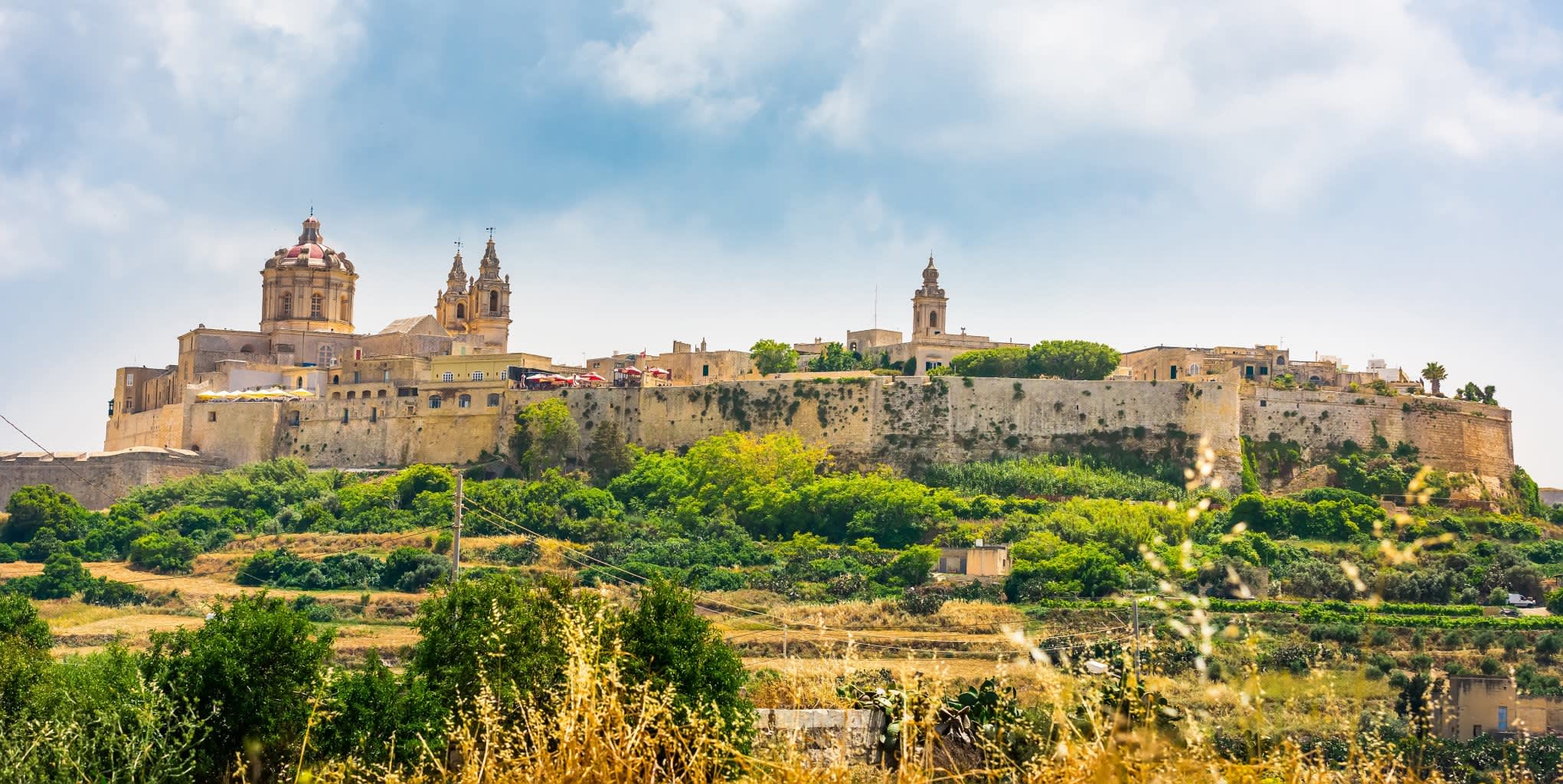
The Maltese archipelago is small — Malta is 27km by 14.5km, Gozo only 14km by 7km — which is exactly what makes it work on foot. A single base puts most of one island within an hour's walk or a short bus ride, and the 25-minute ferry between Malta and Gozo turns the pair into something close to one walking destination. The character of the two is different enough to keep a week interesting: Malta is busier, more built up, anchored by Valletta and the Knights' fortifications; Gozo is quieter, greener, agricultural in a way that hasn't been packaged.
The ground is not hard. Cliff paths and old farm tracks, sometimes a steep descent to the coast, the occasional stony stretch. Most operators grade the islands at the gentler end of their scales — 1+ or 2 on the four-point systems used by Headwater and Inntravel — which is sensible. Where it gets harder is the sun, not the gradient.
What the walking is actually like
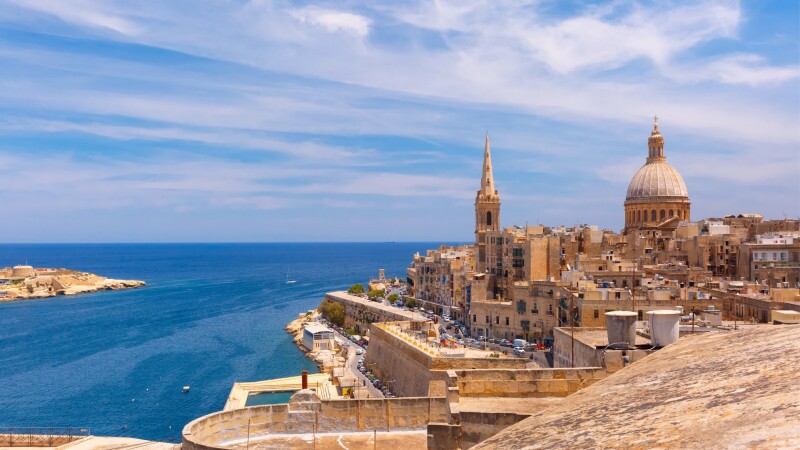
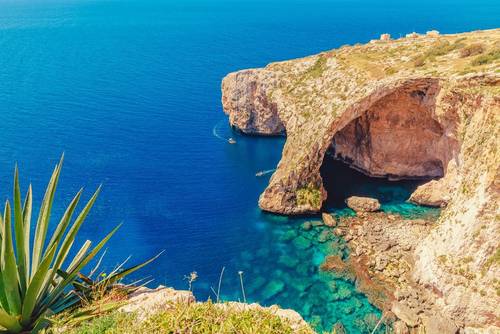
On Malta, the headline stretch is the cliff-top walk along the Dingli Cliffs on the southwestern coast — the highest point of the island at around 250 metres, looking down on Filfla off in the haze. Beyond that, coastal paths north from St Julian's pass watch towers built by the Knights, fishing villages where the painted Luzzu boats sit at anchor, and inland reaches where the bus stops at salt pans and small chapels. Valletta itself, the smallest capital in Europe and a UNESCO city, is small enough to take a morning on foot.
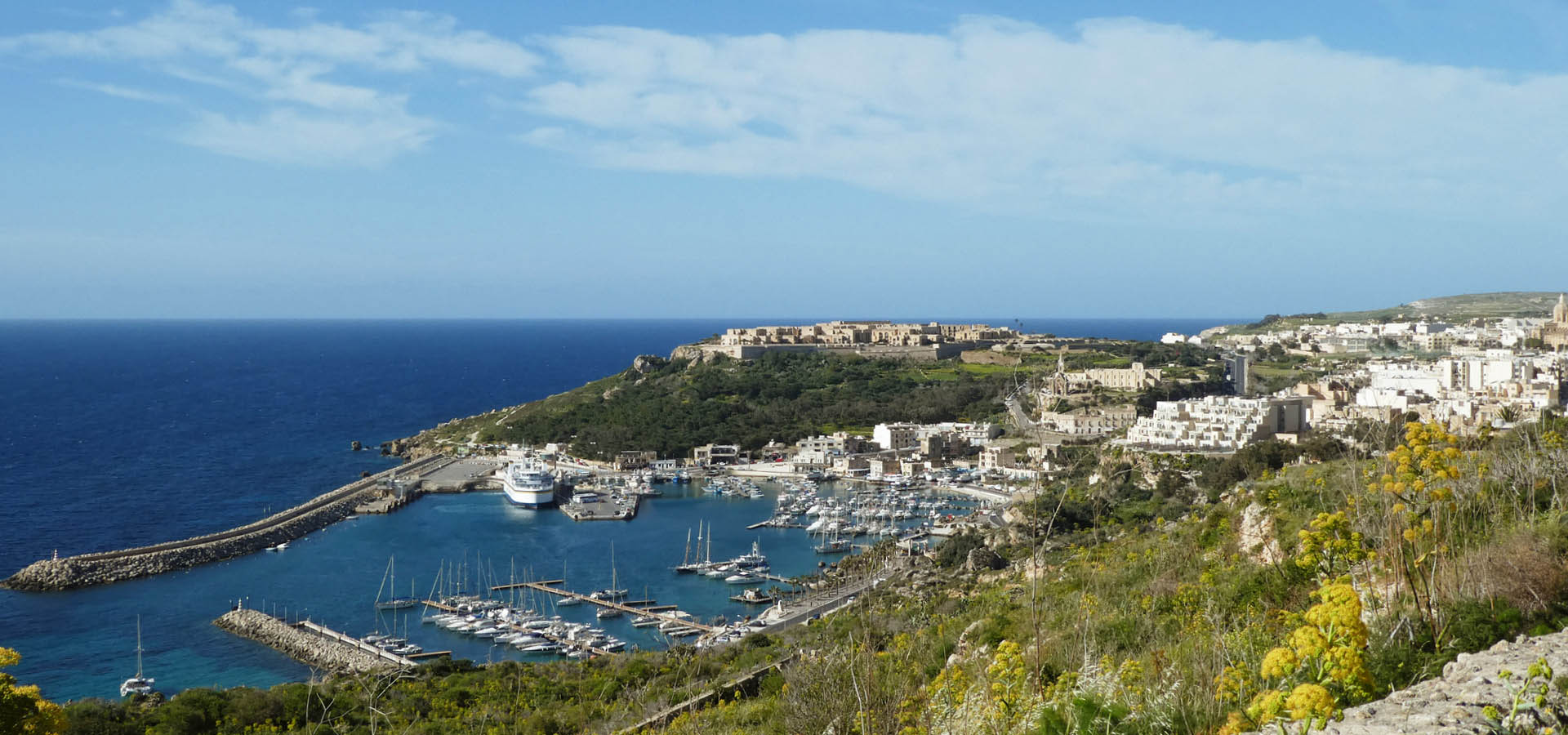
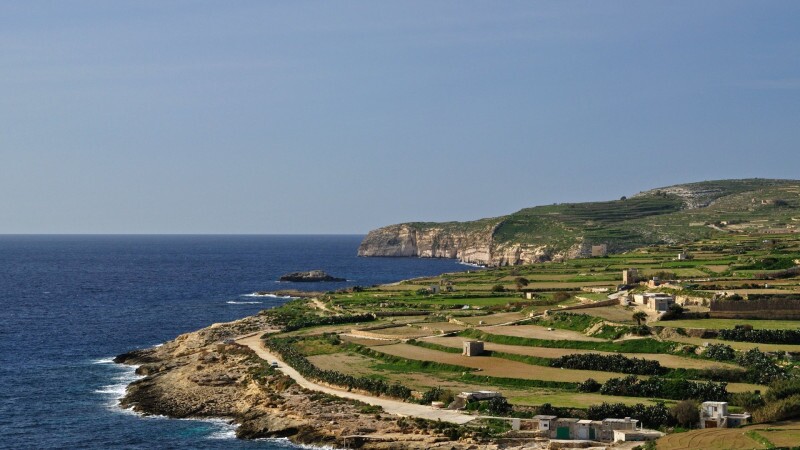
Gozo is more pastoral. The Ġgantija temples at Xagħra are older than the pyramids — 3,600 BC, the oldest freestanding structures in the world — and the walking takes you past them rather than to them as an attraction in their own right. The coast at Dwejra Bay has Fungus Rock standing isolated in the middle of it; the Inland Sea is a saltwater lagoon connected to the open Mediterranean by a tunnel through the cliffs. Inland, terraced fields, stone walls, wild herbs underfoot in spring and autumn.
When to go, and how to base
Spring (March to May) and autumn (September to November) are the windows. Temperatures are mild — typically 18-25°C — the countryside is in flower, and the heat that makes summer Malta unappealing for serious walking has either not arrived or has gone. Winters are workable, mild and quiet, though some operators reduce their schedules. Avoid July and August unless you genuinely like walking in 32-35°C.
For a single-island week, basing in St Julian's (Malta) or Victoria / Sannat (Gozo) makes the most sense — both have decent bus access to walking starts and enough restaurants for evening meals. For a both-islands week, operators split the time roughly in half, with a mid-week transfer. The bus network on Malta is good and the routes are easy to follow with a printed pass; operators usually include one for the week as part of self-guided packages.
Who tends to come, and why
These islands suit walkers who are reasonably fit and enjoy the occasional weekend outing — not committed hill walkers looking for distance. Mixed parties work well: most operators on the islands use a flexible day-by-day structure where one person can do the longer route while another takes the shorter one. The combination of moderate physical demand, year-round mild weather and short transfers also makes Malta and Gozo a sensible choice for a first walking holiday abroad, or for people coming back to walking after a break. If you want a properly demanding week, the Dolomites or the Picos are a better call.