Camino del Norte: Ribadesella to Oviedo
About this trip.
Comparing firms? Every Camino holiday on Mooch, route by route.
Before you book: Walking holidays vs cycling holidays — when each one is the right answer · Which Camino route is right for you — an honest opinion on each of the seven
From Ribadesella to Oviedo
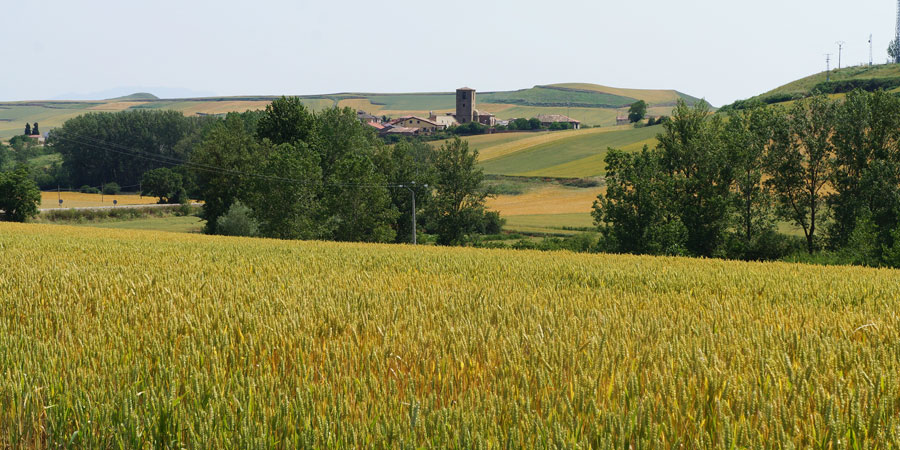
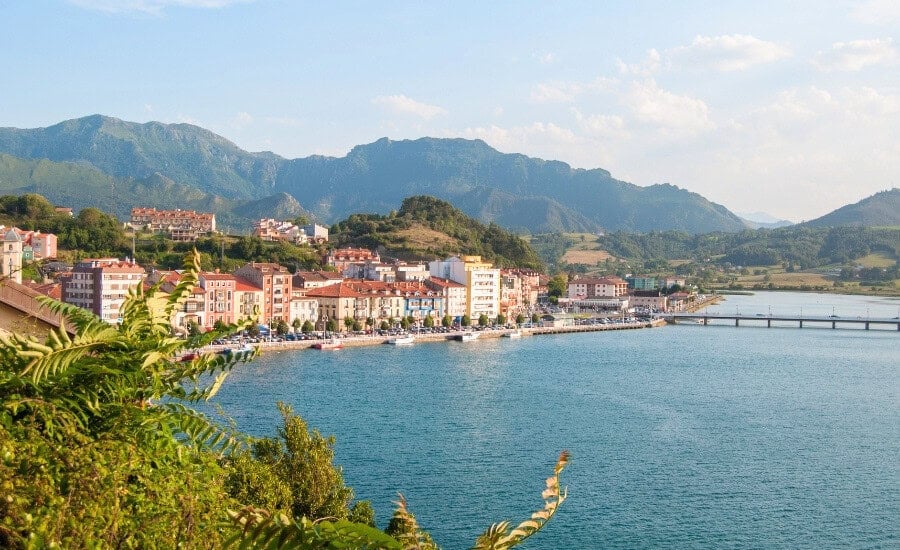
This is the last section of the Camino del Norte. It turns away from the coast and heads inland to Oviedo, which is also where the Camino Primitivo begins. You still have the coastline as you leave Ribadesella, with the path rising and falling between towns and beaches. You pass a well-known Knights Templar site and the Benedictine Monastery of Santiago before reaching Colunga.
The next day is fairly short. It follows the valley, then climbs the Cabanona Pass and drops down into another valley to the town of Villaviciosa. From there the route moves gently inland at first. A steep climb takes you up to Pola de Siero, and then you come down into Oviedo, one of the most important cities on the Camino in the Middle Ages.
Cider towns and Pre-Romanesque churches
Villaviciosa is sometimes called the "apple capital" of Spain because of the cider it produces. The town has a 13th-century church, and its historic centre is worth a wander for the Town Hall and its 17th- and 18th-century palaces.
The Church of San Salvador de Valdediós is the religious centre of Asturias. It includes the small Oratory of San Salvador and a Cistercian monastery built around the Basilica of Santa María. The church is one of the finest examples of Asturian Pre-Romanesque art and is popularly known as "El Conventín".
Oviedo has plenty of chapels and squares to explore, as well as the Campo de San Francisco Park, and it holds festivals throughout the year. Most of Spain is known for its wine, but Oviedo is known for its local cider.
Waymarking, support and luggage
There are waymarks along the route, but they aren't consistent the whole way. Keep the notes and map you're given with you, and use the operator's mobile app, which has a navigation feature. Drink plenty and keep eating between places with services.
Your booking includes bed and breakfast in hand-picked accommodation, a holiday or pilgrim pack, 24/7 on-call support and a virtual face-to-face briefing before you leave. Moving your luggage from hotel to hotel costs extra and isn't in the starting price.
The shape of the trip.
Everything you might be wondering.
Q1How hard is it really?
The grading is set by the operator and usually reflects daily distance and total ascent. As a rule of thumb: if you can comfortably manage a 5-6 hour hillwalk at home on a weekend, a moderate-graded route will be fine. Read the day-by-day notes carefully, and train with a loaded pack in the months before.
Q2Can I do this solo?
Yes — self-guided walking holidays are well suited to solo travellers, and some operators waive the single-room supplement on certain departures. The route notes are written for confident independent walkers, and most operators run a 24/7 support line.
Q3Do I need to speak the language?
No. Hotels and restaurants on the route are used to English-speaking walkers. A phrasebook for menus and a few polite basics (hello, thank you, please) is all you really need. The operator's support line speaks English.
Q4Can I bring my dog?
Some routes are dog-friendly, others aren't — it depends on whether all the accommodation on the itinerary accepts dogs. Check with the operator before booking. If you do bring a dog, you'll need a pet passport, up-to-date rabies vaccination, and a lead for villages.
Q5What if it rains?
The route is walkable in rain — your luggage travels ahead regardless, so you'll always arrive somewhere dry. Some trails get slippery in wet weather and the operator's support line can arrange a taxi for any stage if conditions are properly bad.
Q6How do I get there from the UK?
Most routes are reachable by a short flight to a nearby airport, followed by train or transfer. The operator will usually point you at the nearest airport and can advise on rail connections. Some will book train tickets on your behalf for a small fee.
Q7Can I shorten or extend it?
Usually yes. Many operators offer shorter versions of a route as a standalone, and most will add extra nights at the start or end at their own rates. Ask when you enquire — they'll tailor it before booking.
Q8What about cancellation?
Typically a deposit (usually 20-25%) is taken at booking, with the balance due 8-10 weeks before departure. The operator's own terms apply — Mooch doesn't handle the booking or refunds. Travel insurance is strongly recommended.
Three walking holidays, side-by-side.
The two closest walking holidays on Mooch, both on the Camino. Prices are the operators' own, per person.