About this trip.
Comparing firms? Every Camino holiday on Mooch, route by route.
Before you book: Walking holidays vs cycling holidays — when each one is the right answer · Which Camino route is right for you — an honest opinion on each of the seven
Santiago de Compostela to the Atlantic
This is the only Camino trail that starts in Santiago de Compostela and heads west, to the Atlantic Ocean and Cape Fisterra. It is an ancient route, linked to the pre-Christian origins of the Camino de Santiago. It runs through the part of Galicia known as the Costa da Morte, famous for its wild beauty, its seafood and its legends. From Santiago to Cee the trail stays inland. From Cee it follows the coast to Fisterra and then on to Muxía. If you prefer, you can walk it in reverse, from Muxía and Fisterra to Santiago.
The trip begins in Santiago, a lively university city with a UNESCO-listed old town. You set off from the Praza do Obradoiro, home to the cathedral, and walk past small villages and over old Roman bridges to the medieval town of Negreira. There you can visit Pazo do Cotón, the Cotón family's country house, and the chapel of St Mauro next door.
Hills, valleys and a first sight of the sea
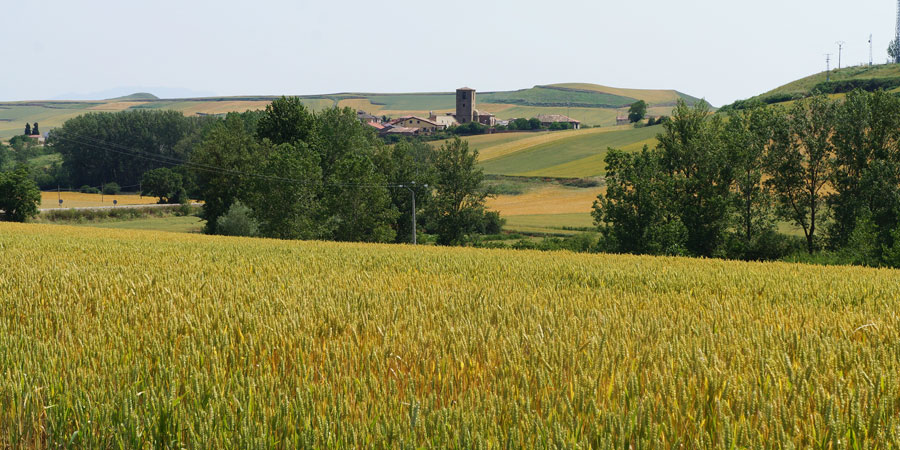
From A Barcala the path climbs a mountain and crosses the river Barcala. On the way up Monte Aro there are good views of the Fervenza dam, and then you enter the wild Serra de Castelo and the Xallas valley, with small hills and green pastures. After Abeleiroas you walk on to Olveiroa, then follow the river to Logoso, passing the Nosa Señora chapel. Beyond it the trail drops through the pine woods of Alto do Cruceiro da Armada, where you get your first view of the sea, and on to the coastal town of Cee.
Fisterra, Lires and Muxía
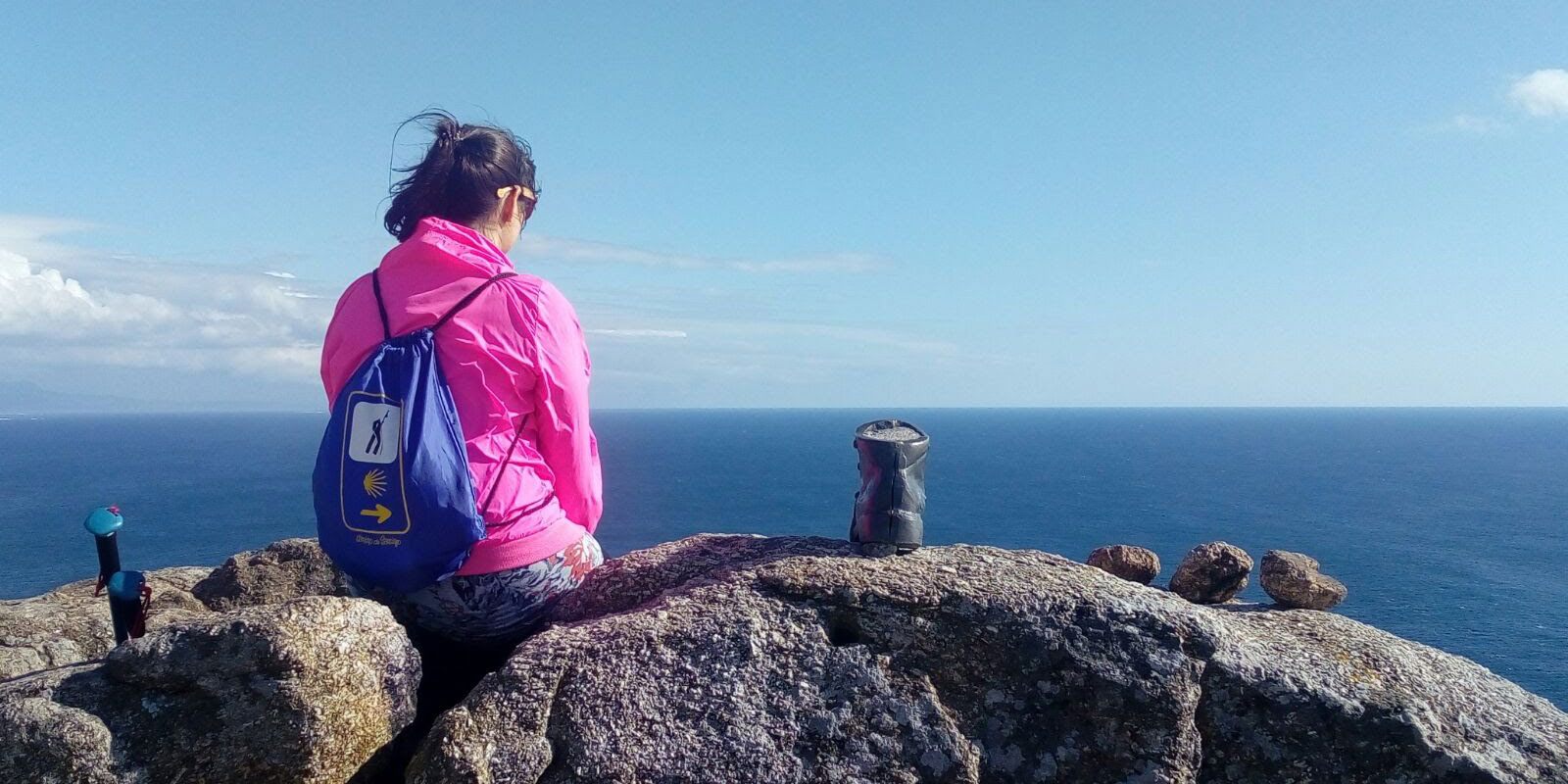
The walk to Fisterra runs along the cliffs and coves of the bay to the lighthouse at Cape Fisterra, where you can watch the sun set over the "End of the World". From the cape the coast path has fine ocean views on the way to Lires, a village with sandy beaches good for a swim in hot weather. The last day goes through the hamlets of Frixe, Guisamonde and Morquintián to Monte do Facho, with a chance to swim at Praia de Lourido, and ends at the fishing village of Muxía. There you can visit the Virxe da Barca sanctuary beside the ocean and its rocking stones, which tradition says can heal. Walk nine times under the Pedra dos Cadrís and, so the story goes, your back troubles will be cured. You can collect the Finisterrana pilgrim certificate in Fisterra, and the Muxiana certificate if you carry on to Muxía.
Hotels, inclusions and getting there
You stay in hand-picked hotels and guesthouses of up to three stars, in town centres and close to the trail, all with en-suite rooms. Now and then a hotel may be a few kilometres off the route, and when that happens transport to and from the trail is arranged for you. The price includes your accommodation, a Holiday Pack on your phone with a route ebook and Google Maps, and a 24/7 support number. Flights, drinks, city tax and travel insurance are not included. Luggage transfers (one bag of up to 20kg per person) and dinners where available can be added, as can airport transfers. There is also a guided version of this route.
Santiago de Compostela Airport is 11km from the city, and a shuttle bus runs every 30 minutes. A Coruña (70km), Vigo (90km) and Porto (210km) airports can all be reached by train or bus.
The shape of the trip.
Everything you might be wondering.
Q1How hard is it really?
The grading is set by the operator and usually reflects daily distance and total ascent. As a rule of thumb: if you can comfortably manage a 5-6 hour hillwalk at home on a weekend, a moderate-graded route will be fine. Read the day-by-day notes carefully, and train with a loaded pack in the months before.
Q2Can I do this solo?
Yes — self-guided walking holidays are well suited to solo travellers, and some operators waive the single-room supplement on certain departures. The route notes are written for confident independent walkers, and most operators run a 24/7 support line.
Q3Do I need to speak the language?
No. Hotels and restaurants on the route are used to English-speaking walkers. A phrasebook for menus and a few polite basics (hello, thank you, please) is all you really need. The operator's support line speaks English.
Q4Can I bring my dog?
Some routes are dog-friendly, others aren't — it depends on whether all the accommodation on the itinerary accepts dogs. Check with the operator before booking. If you do bring a dog, you'll need a pet passport, up-to-date rabies vaccination, and a lead for villages.
Q5What if it rains?
The route is walkable in rain — your luggage travels ahead regardless, so you'll always arrive somewhere dry. Some trails get slippery in wet weather and the operator's support line can arrange a taxi for any stage if conditions are properly bad.
Q6How do I get there from the UK?
Most routes are reachable by a short flight to a nearby airport, followed by train or transfer. The operator will usually point you at the nearest airport and can advise on rail connections. Some will book train tickets on your behalf for a small fee.
Q7Can I shorten or extend it?
Usually yes. Many operators offer shorter versions of a route as a standalone, and most will add extra nights at the start or end at their own rates. Ask when you enquire — they'll tailor it before booking.
Q8What about cancellation?
Typically a deposit (usually 20-25%) is taken at booking, with the balance due 8-10 weeks before departure. The operator's own terms apply — Mooch doesn't handle the booking or refunds. Travel insurance is strongly recommended.
Three walking holidays, side-by-side.
The two closest walking holidays on Mooch, both on the Camino. Prices are the operators' own, per person.