About this trip.
The Via Francigena and the Eroica
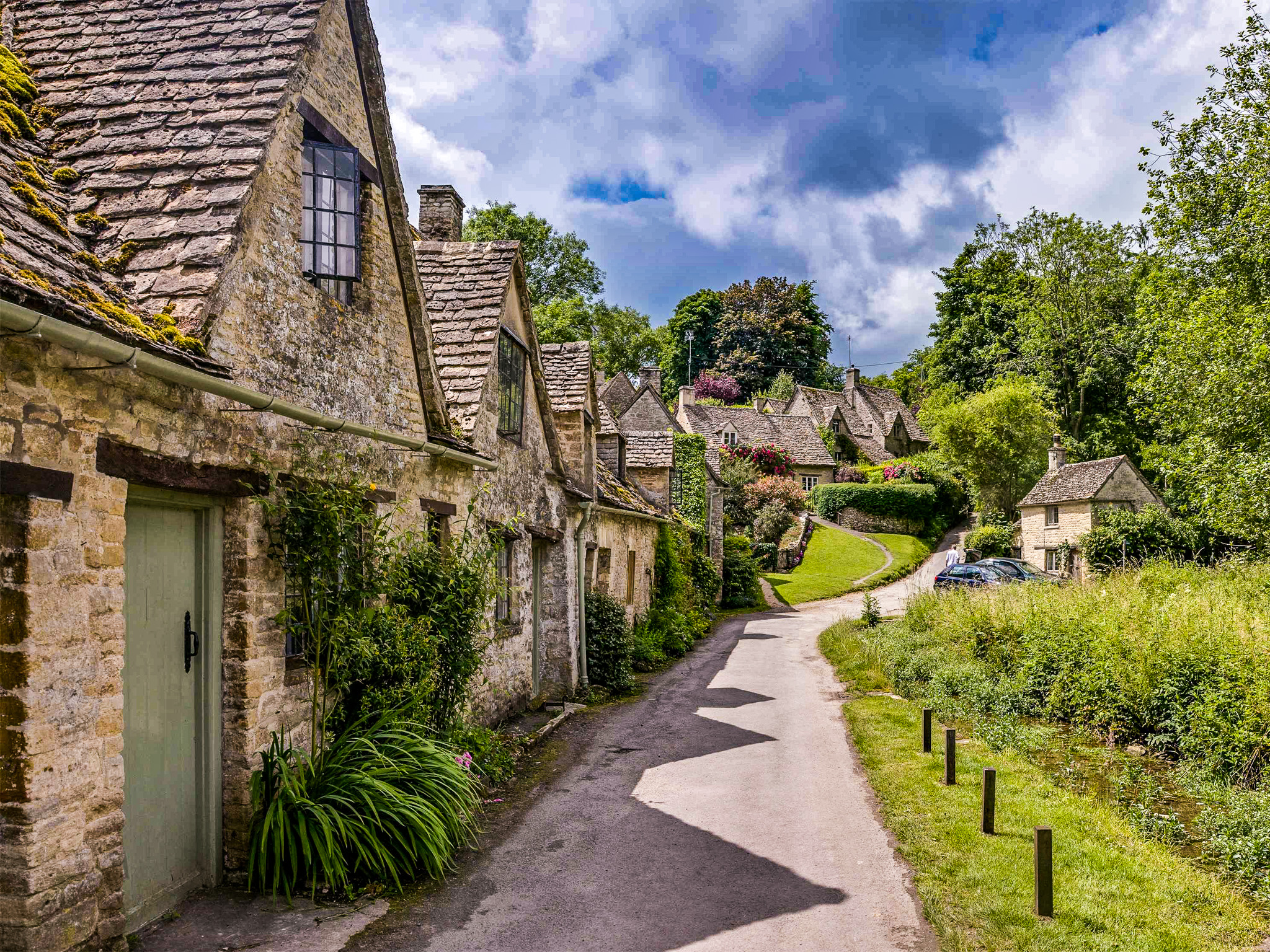
The trip's name comes from two old roads: the Via Francigena, the medieval pilgrim route that once ran from Canterbury to Rome, and the Eroica, the white gravel strade bianche made famous by the Giro d'Italia before tarmac took over. Stitching them into a week of mountain biking gives Tuscany a different character to the postcard one. You're still riding past cypresses, vineyards and hilltop towns, but on singletrack through forest, on farm tracks between abandoned stone cottages, and on the rough white roads that put modern gravel cycling on the map.
Tuscany earns its reputation here. Centuries of trade and agriculture have left a dense network of trails that suits a mountain bike better than the road-cycling crowd usually lets on. Climbs are honest, descents are rewarding rather than terrifying, and the rolling country means you're rarely flat for long.
San Gimignano to Val d'Orcia
After a pickup in Pisa, the group transfers into the countryside outside San Gimignano and settles into an agriturismo surrounded by vineyards, where the host's table is the introduction to Tuscan cooking. The first three days work south through forested hills, river valleys and fortified villages, taking in stretches of the Via Francigena and the Eroica gravel. Monteriggioni and its walled silhouette appear before the route reaches Siena, with time to wander the Campo and find a decent gelato.
The second half heads into the Crete Senesi, the eroded clay country south-east of Siena that locals call the badlands. Riding here is a roller-coaster of ridge lines and quick valleys, with open views one moment and dense holm-oak forest the next. The Montagnola trails, used for one of the area's better-known Sienese mountain bike races, are part of the mix, and the week finishes around Pienza and San Quirico d'Orcia in the Val d'Orcia, the part of Tuscany most people picture when they picture Tuscany. Chianti at the start, Montepulciano and Montalcino as you move south.
Bookings, fitness and bike hire
This is a guided seven-day trip graded 3 out of 5 — middling, with proper climbs and technical sections, but well within reach of anyone with regular off-road riding behind them. Prices start from £2,195 per person.
You can ride your own mountain bike or hire one of Saddle Skedaddle's, including e-MTBs for those who'd rather take the assist. Worth knowing: even on an e-bike, the group's pace is set by riders on regular bikes, so the e-MTB doesn't unlock a faster trip, just an easier one. Transfers from Pisa, accommodation in agriturismi and small hotels, and meals built around local produce are part of the package. A self-guided version of the same route is offered for those who'd rather ride independently.
The shape of the trip.
What's typically in the price, what isn't.
A general guide for cycling holidays of this kind. Check the operator's booking page for the final inclusions on this specific trip.
Typically included
- ✓Hotel accommodation, double or twin en-suite rooms
- ✓Daily breakfast at each hotel
- ✓Luggage transfer between hotels on every riding day
- ✓Bike rental (usually a hybrid), helmet, and panniers
- ✓Detailed route notes with GPX files and emergency contacts
- ✓24/7 support line in English for the duration of the trip
Typically not included
- ×Flights to and from the country of travel
- ×Travel insurance with cycle cover (strongly recommended)
- ×Lunches and most evening meals — eat locally on the route
- ×E-bike or road-bike upgrades (usually a supplement)
- ×Repair kit consumables (tubes, chain lube) beyond what comes with the bike
- ×Any alcohol beyond wine included with set dinners
Everything you might be wondering.
Q1How hard are the climbs?
Grading reflects daily distance, total climbing, and traffic. Moderate routes typically involve 40-60km a day with 300-600m of climbing, on quiet roads or well-surfaced bike paths. If you ride regularly at home and can manage a 40km weekend ride, you'll be fine. Check the daily elevation profile when the operator shares it.
Q2Is bike rental included?
It's usually included, with a hybrid as standard and an e-bike or road-bike upgrade available for a supplement. Helmets and panniers normally come with the rental. Check the operator's booking page for the exact inclusions on this trip.
Q3What if I get a puncture?
Rental bikes come with a small repair kit and a pump. If you can't fix it yourself, the operator's support line can arrange a replacement or a lift to the next hotel — times vary by location. Carry a phone and the support number at all times.
Q4Can I use my own bike?
Yes, most operators are happy for you to bring your own bike — you'll often get a small discount off the trip price in lieu of rental. Check with the airline on how to transport it, and bring basic spares (tubes, multi-tool).
Q5Can I do this solo?
Absolutely — self-guided cycling holidays work well for solo travellers. The route notes, GPX files, and 24/7 support are designed for confident independent riders.
Q6What if the weather is bad?
The route is rideable in rain if you're dressed for it, though some surfaces get slower. The operator's support line can reroute you onto a lower / flatter alternative or arrange a vehicle transfer for any stage if conditions are genuinely unsafe.
Q7How do I get there from the UK?
Fly into the nearest airport, then train or transfer to the start point. The operator will advise — some will book onward trains for a small fee. If you're bringing your own bike, check dimensions and dismantling requirements with the airline in advance.
Q8What about cancellation?
A deposit (usually 20-25%) is taken at booking, with the balance due 8-10 weeks before departure. The operator's own terms apply — Mooch doesn't handle the booking or refunds. Travel insurance with cycle cover is strongly recommended.
Three cycling holidays, side-by-side.
Other cycling holidays on Mooch in the same spirit. All prices per person, from the operator.