About this trip.
Following the Via Claudia Augusta
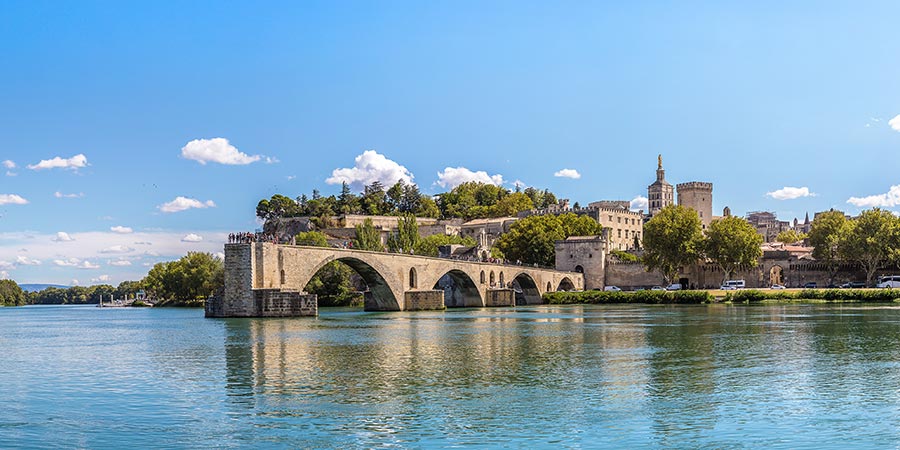
The route is built around a 2,000-year-old Roman road that once carried Spanish wine and olive oil, oysters from the Mediterranean and spices from Asia over the Alps. The Via Claudia Augusta was, for centuries, the main commercial artery between northern Europe and the Italian peninsula, and this eight-day ride traces its line from the Tyrolean meadows below the Zugspitze down to the shores of Lake Garda. It is a route with genuine weight to it — old churches, old villages, old vineyards — rather than a cycle path threaded through scenery for its own sake.
From Lermoos to Lake Garda
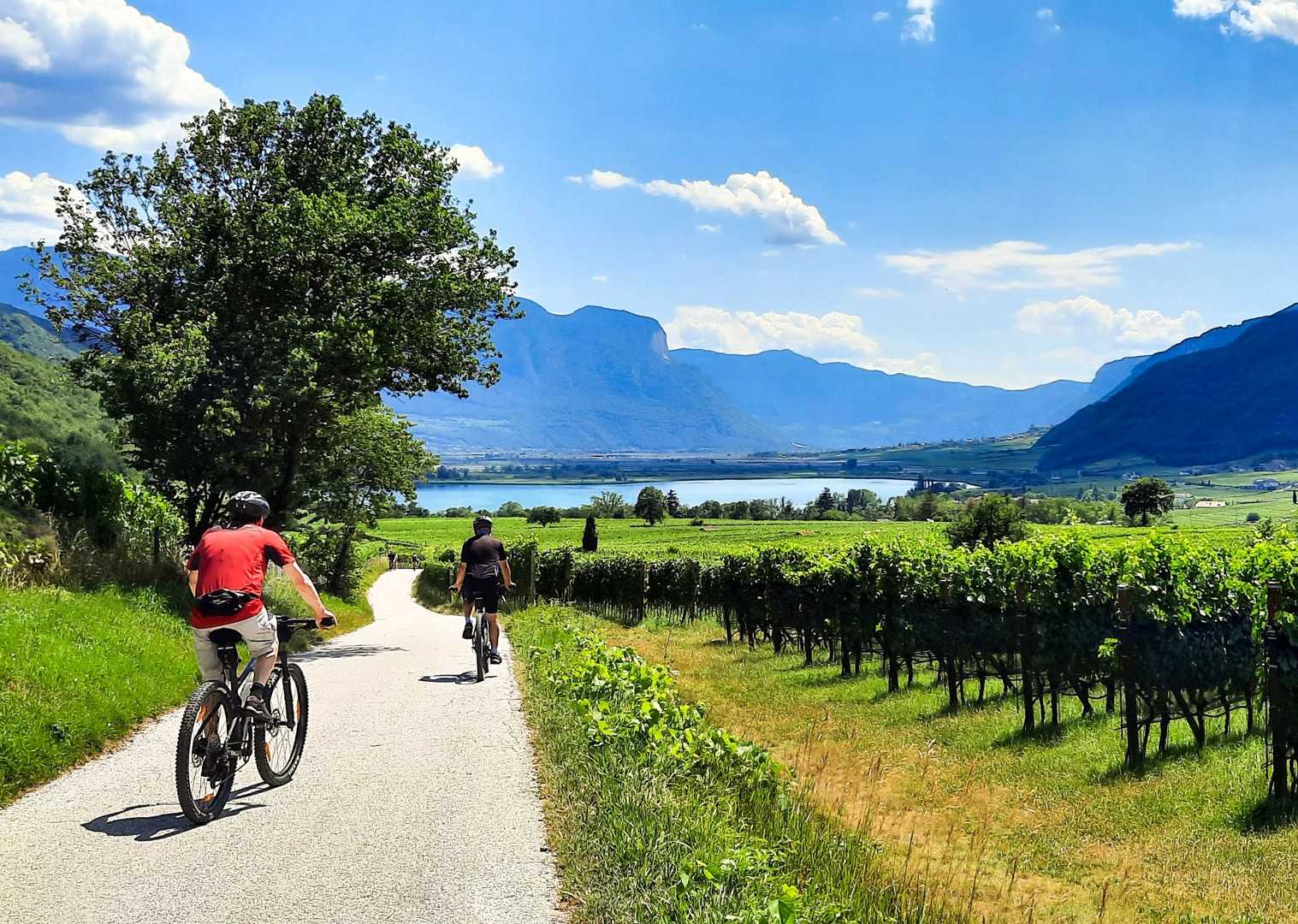
The week begins in Lermoos, in the shadow of the Zugspitze (2,692m), Germany's highest peak. The first days take in rolling forest trails and undulating countryside before the route picks up the icy blue waters of the River Inn and follows them upstream. From there it climbs to the Reschen Pass, the border with Italy, where the views open out and the descent into the Vinschgau Valley begins. South Tyrol is the heart of the trip — a German-speaking corner of Italy with its own cooking, its own wines and a string of apple orchards, vineyards and historic castles along the valley floor. Merano features along the way, billed by the operator as the jewel of South Tyrol. The final stretch follows the Etsch valley into Trento, where there is an afternoon to spend in the gelaterias and cappuccino bars, before the closing day's ride through the Sarca Valley to Lake Garda.
The riding and what to expect
Saddle Skedaddle grade this a 2 out of 5 — leisure-paced rather than flat. The week is billed as easy-paced but at times somewhat challenging, which sounds about right for a trip that crosses an Alpine pass. E-bike hire is available alongside standard bikes; confident cyclists may still want one for the climb to the Reschen, and the trade-off is more energy left for off-the-bike eating and drinking. Group pace is set by the riders without an e-bike, so the battery is for ease rather than speed. Two guides accompany the group throughout.
Bookings and logistics
The holiday costs from £2,495 per person and runs over eight days. The group meets at Munich Airport before transferring to Garmisch-Partenkirchen on June departures or Lermoos in July and August. Flights are not included; dinners and guides are. It suits riders who want a route with cultural depth as well as scenery — Roman milestones, border towns, valley vineyards — and who would rather be guided than navigate alone. A self-guided version of the same itinerary is available for those who prefer their own pace, and the standard trip can be ridden with or without an e-bike depending on how hard you want to work for the gelato at the finish.
The shape of the trip.
What's typically in the price, what isn't.
A general guide for cycling holidays of this kind. Check the operator's booking page for the final inclusions on this specific trip.
Typically included
- ✓Hotel accommodation, double or twin en-suite rooms
- ✓Daily breakfast at each hotel
- ✓Luggage transfer between hotels on every riding day
- ✓Bike rental (usually a hybrid), helmet, and panniers
- ✓Detailed route notes with GPX files and emergency contacts
- ✓24/7 support line in English for the duration of the trip
Typically not included
- ×Flights to and from the country of travel
- ×Travel insurance with cycle cover (strongly recommended)
- ×Lunches and most evening meals — eat locally on the route
- ×E-bike or road-bike upgrades (usually a supplement)
- ×Repair kit consumables (tubes, chain lube) beyond what comes with the bike
- ×Any alcohol beyond wine included with set dinners
Everything you might be wondering.
Q1How hard are the climbs?
Grading reflects daily distance, total climbing, and traffic. Moderate routes typically involve 40-60km a day with 300-600m of climbing, on quiet roads or well-surfaced bike paths. If you ride regularly at home and can manage a 40km weekend ride, you'll be fine. Check the daily elevation profile when the operator shares it.
Q2Is bike rental included?
It's usually included, with a hybrid as standard and an e-bike or road-bike upgrade available for a supplement. Helmets and panniers normally come with the rental. Check the operator's booking page for the exact inclusions on this trip.
Q3What if I get a puncture?
Rental bikes come with a small repair kit and a pump. If you can't fix it yourself, the operator's support line can arrange a replacement or a lift to the next hotel — times vary by location. Carry a phone and the support number at all times.
Q4Can I use my own bike?
Yes, most operators are happy for you to bring your own bike — you'll often get a small discount off the trip price in lieu of rental. Check with the airline on how to transport it, and bring basic spares (tubes, multi-tool).
Q5Can I do this solo?
Absolutely — self-guided cycling holidays work well for solo travellers. The route notes, GPX files, and 24/7 support are designed for confident independent riders.
Q6What if the weather is bad?
The route is rideable in rain if you're dressed for it, though some surfaces get slower. The operator's support line can reroute you onto a lower / flatter alternative or arrange a vehicle transfer for any stage if conditions are genuinely unsafe.
Q7How do I get there from the UK?
Fly into the nearest airport, then train or transfer to the start point. The operator will advise — some will book onward trains for a small fee. If you're bringing your own bike, check dimensions and dismantling requirements with the airline in advance.
Q8What about cancellation?
A deposit (usually 20-25%) is taken at booking, with the balance due 8-10 weeks before departure. The operator's own terms apply — Mooch doesn't handle the booking or refunds. Travel insurance with cycle cover is strongly recommended.
Three cycling holidays, side-by-side.
Other cycling holidays on Mooch in the same spirit. All prices per person, from the operator.