Loire River Cycle Path Orléans to Chinon
About this trip.
The Loire à Vélo, west from Orléans
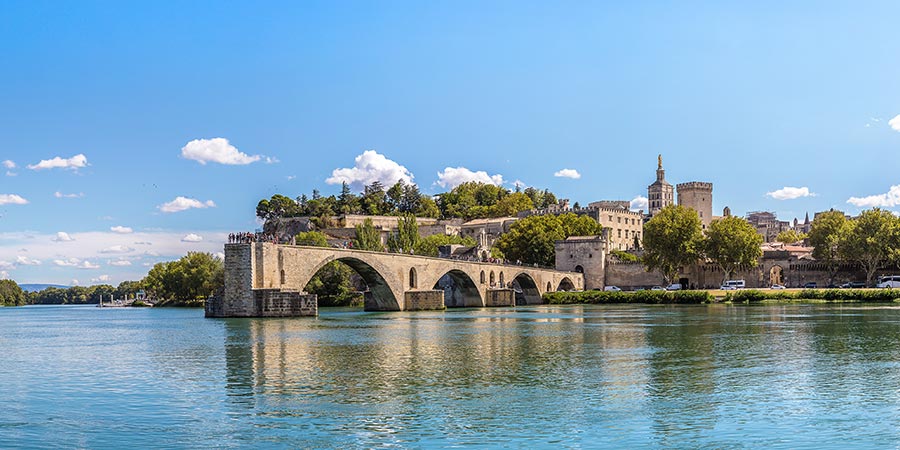
The Loire is France's last great unbridled river — too shallow and shifting for serious shipping, which is why the kings of France built their summer palaces along it rather than on busier commercial waterways. This eight-day ride picks up the Loire à Vélo at Orléans and heads roughly 300 kilometres downstream to Chinon, threading through the heart of the Val de Loire that UNESCO listed in 2000 for its cultural landscape.
The cycling is genuinely easy. The Loire à Vélo is the longest signed cycle route in France, mostly flat, with long stretches on dedicated paths and old towpaths well away from cars. There are no real climbs to speak of — a few short pulls up onto the levees, the occasional detour around a tributary — but you'd struggle to find a more relaxed long-distance ride anywhere in Western Europe.
Châteaux, vineyards and the river itself
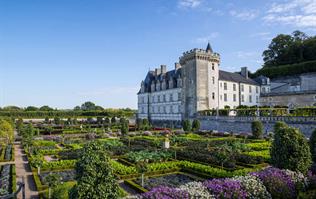
The châteaux are the obvious draw. Chambord with its forest of chimneys, Blois where the Duc de Guise was murdered, Amboise where Leonardo da Vinci is buried, Chenonceau arching across the Cher, Villandry's geometric gardens, Azay-le-Rideau set on its island moat. You won't see them all from the saddle, but several sit right on the route or a short detour off it, and most days you'll be choosing what to skip rather than what to see.
Between the châteaux, the cycling has a quiet character that's easy to miss in the marketing. The river is wider and shallower than people expect, braided around sandy islands, with terns and herons and the occasional beaver lodge. The vineyards of Sancerre, Vouvray, Bourgueil and Chinon push up to the towpath; the troglodyte villages around Saumur are cut into the chalk cliffs. Towns like Beaugency, Amboise and Chinon itself are walkable and unfussy, with the kind of plane-tree-shaded squares that make a glass of crisp Chenin at the end of the day feel earned.
Practicalities and who it suits
The trip runs eight days and seven nights, finishing at Chinon, with prices from £1,225 per person. It's pitched as easy cycling, which the terrain supports — flat ground and waymarked paths mean it suits anyone reasonably comfortable on a bike rather than experienced tourers. The appeal lies less in the kilometres covered and more in the freedom to dawdle: an hour at a château, a long lunch, an unplanned detour into a wine cave.
People who want a sportive challenge will be bored. People who want to spend a week eating, drinking and rolling slowly past the river kings' palaces, with the gravel of the Loire crunching under their tyres, will not.
The shape of the trip.
What's typically in the price, what isn't.
A general guide for cycling holidays of this kind. Check the operator's booking page for the final inclusions on this specific trip.
Typically included
- ✓Hotel accommodation, double or twin en-suite rooms
- ✓Daily breakfast at each hotel
- ✓Luggage transfer between hotels on every riding day
- ✓Bike rental (usually a hybrid), helmet, and panniers
- ✓Detailed route notes with GPX files and emergency contacts
- ✓24/7 support line in English for the duration of the trip
Typically not included
- ×Flights to and from the country of travel
- ×Travel insurance with cycle cover (strongly recommended)
- ×Lunches and most evening meals — eat locally on the route
- ×E-bike or road-bike upgrades (usually a supplement)
- ×Repair kit consumables (tubes, chain lube) beyond what comes with the bike
- ×Any alcohol beyond wine included with set dinners
Everything you might be wondering.
Q1How hard are the climbs?
Grading reflects daily distance, total climbing, and traffic. Moderate routes typically involve 40-60km a day with 300-600m of climbing, on quiet roads or well-surfaced bike paths. If you ride regularly at home and can manage a 40km weekend ride, you'll be fine. Check the daily elevation profile when the operator shares it.
Q2Is bike rental included?
It's usually included, with a hybrid as standard and an e-bike or road-bike upgrade available for a supplement. Helmets and panniers normally come with the rental. Check the operator's booking page for the exact inclusions on this trip.
Q3What if I get a puncture?
Rental bikes come with a small repair kit and a pump. If you can't fix it yourself, the operator's support line can arrange a replacement or a lift to the next hotel — times vary by location. Carry a phone and the support number at all times.
Q4Can I use my own bike?
Yes, most operators are happy for you to bring your own bike — you'll often get a small discount off the trip price in lieu of rental. Check with the airline on how to transport it, and bring basic spares (tubes, multi-tool).
Q5Can I do this solo?
Absolutely — self-guided cycling holidays work well for solo travellers. The route notes, GPX files, and 24/7 support are designed for confident independent riders.
Q6What if the weather is bad?
The route is rideable in rain if you're dressed for it, though some surfaces get slower. The operator's support line can reroute you onto a lower / flatter alternative or arrange a vehicle transfer for any stage if conditions are genuinely unsafe.
Q7How do I get there from the UK?
Fly into the nearest airport, then train or transfer to the start point. The operator will advise — some will book onward trains for a small fee. If you're bringing your own bike, check dimensions and dismantling requirements with the airline in advance.
Q8What about cancellation?
A deposit (usually 20-25%) is taken at booking, with the balance due 8-10 weeks before departure. The operator's own terms apply — Mooch doesn't handle the booking or refunds. Travel insurance with cycle cover is strongly recommended.
Three cycling holidays, side-by-side.
Other cycling holidays on Mooch in the same spirit. All prices per person, from the operator.