About this trip.
Hawker stalls, tea factories and roti canai
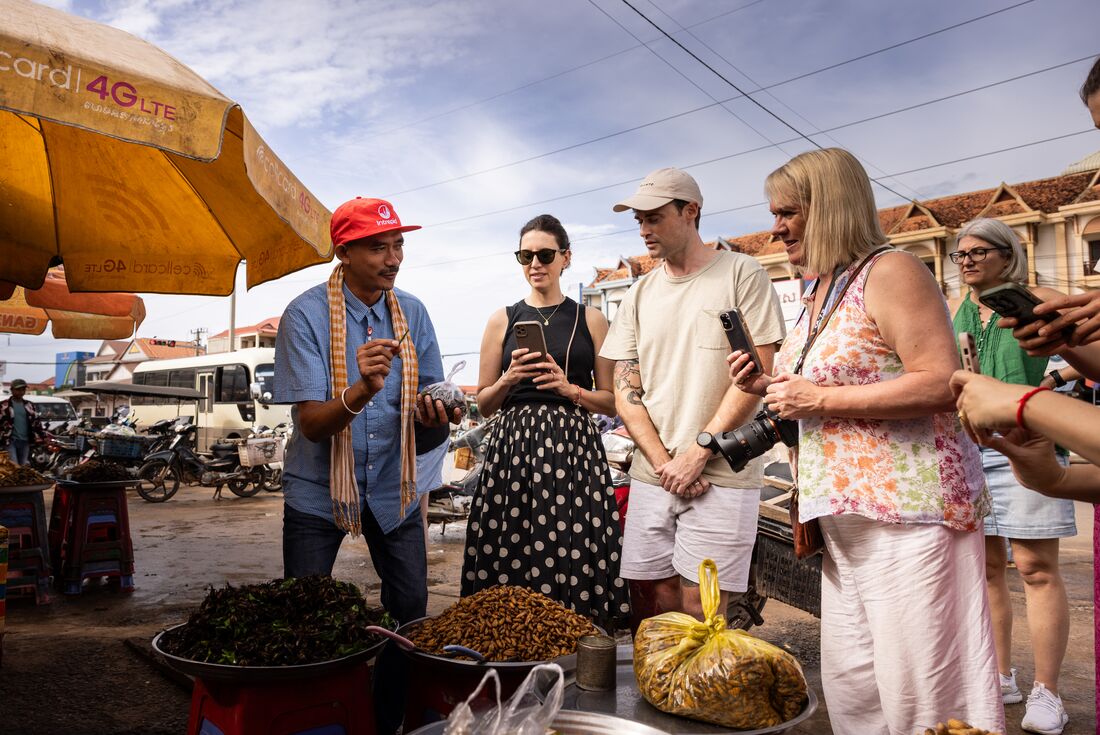
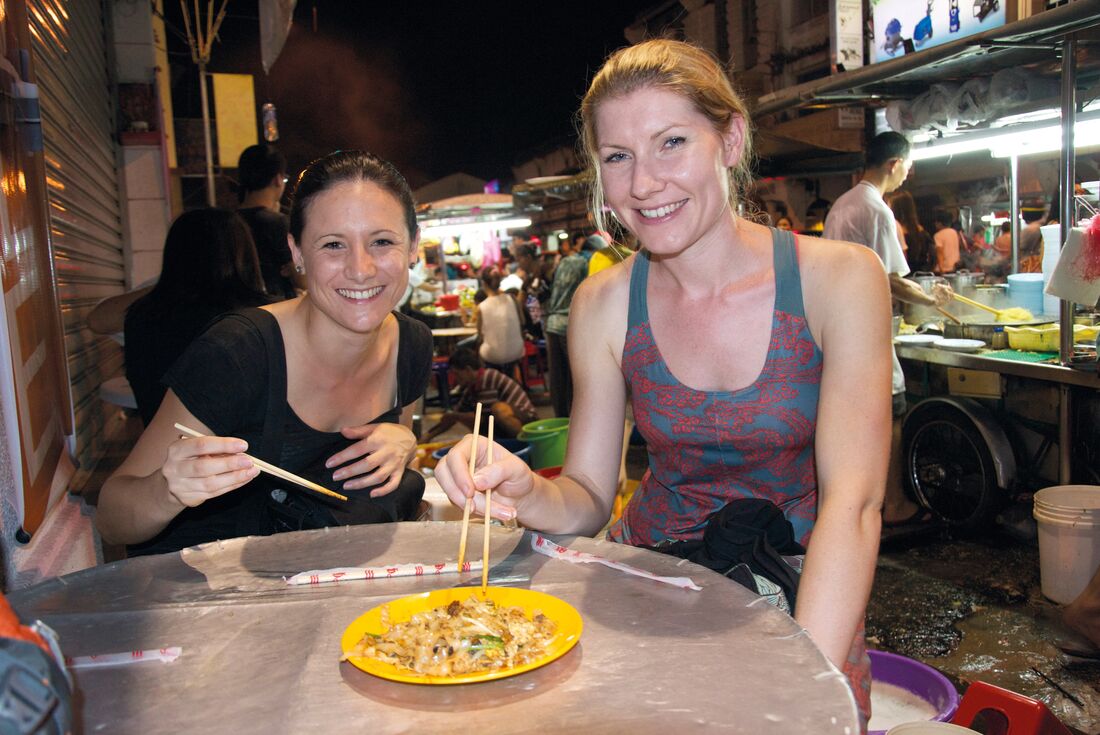
Nasi lemak, char kway teow, roti canai, laksa — this eight-day trip from Singapore to Penang is built around the food first, with the sights slotting in around the meals. The region's cooking blends Muslim and Malay traditions with Chinese, Indian and indigenous influences, and the itinerary leans into all of it: samosas, vadai and masala thosai on banana leaves in Little India; kaya toast (crispy bread with sweet coconut and egg jam) and ang ku kueh (soft, chewy red-tortoise pastries with sweet or savoury fillings) for Singapore snacks; biryani, dosa and vegetarian thali sets; char kway teow and laksa further up the peninsula.
From Singapore to Penang in eight days
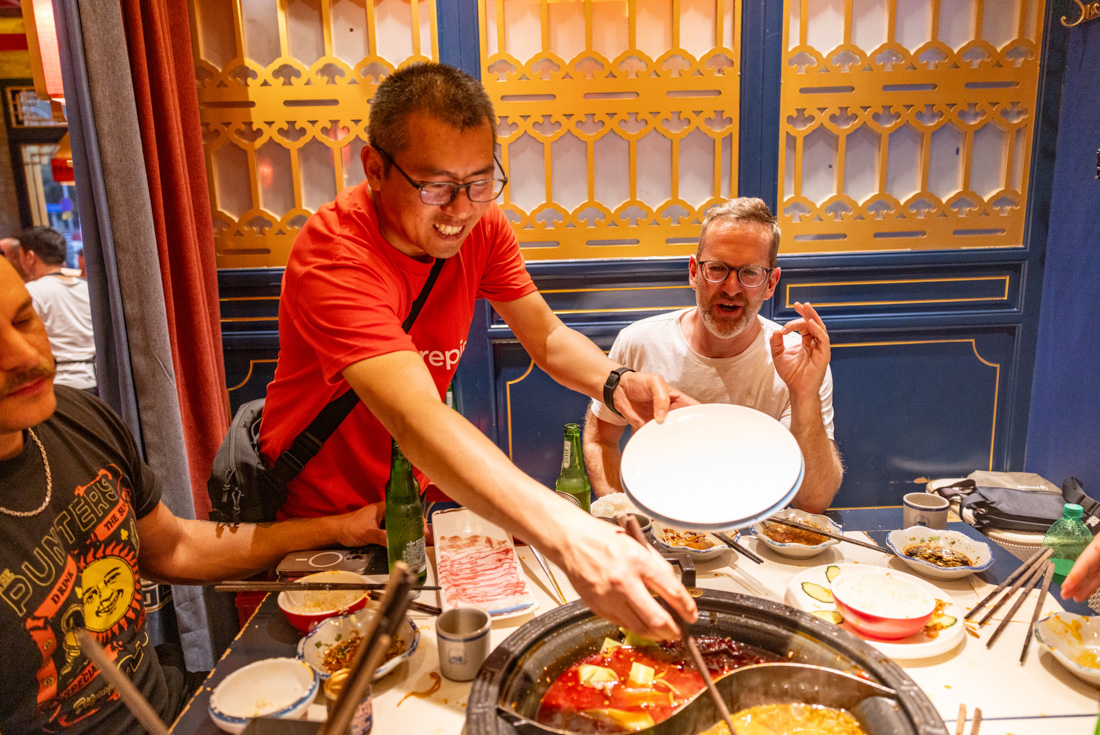
Day one opens with a welcome dinner at a Little India hawker centre — one of the bustling market-style food halls where dozens of stalls serve up different local cuisines side by side, washed down with a local beer. Day two is an orientation walk through Singapore with food tastings, a visit to Gardens by the Bay for the Flower Dome and Cloud Forest, and a photo stop at Merlion Park, where the half-lion, half-mermaid statue stands as the city's symbol. From there the route heads up to Kuala Lumpur — free time can take you to the views from KL Tower or the Petronas Towers — and on to the Cameron Highlands, the countryside break of the trip. You'll visit a tea factory to taste what's brewed locally and walk through the forest for some fresh air. Perah Temple is on the schedule too. The trip finishes in Penang.
Eating with locals, cooking alongside them
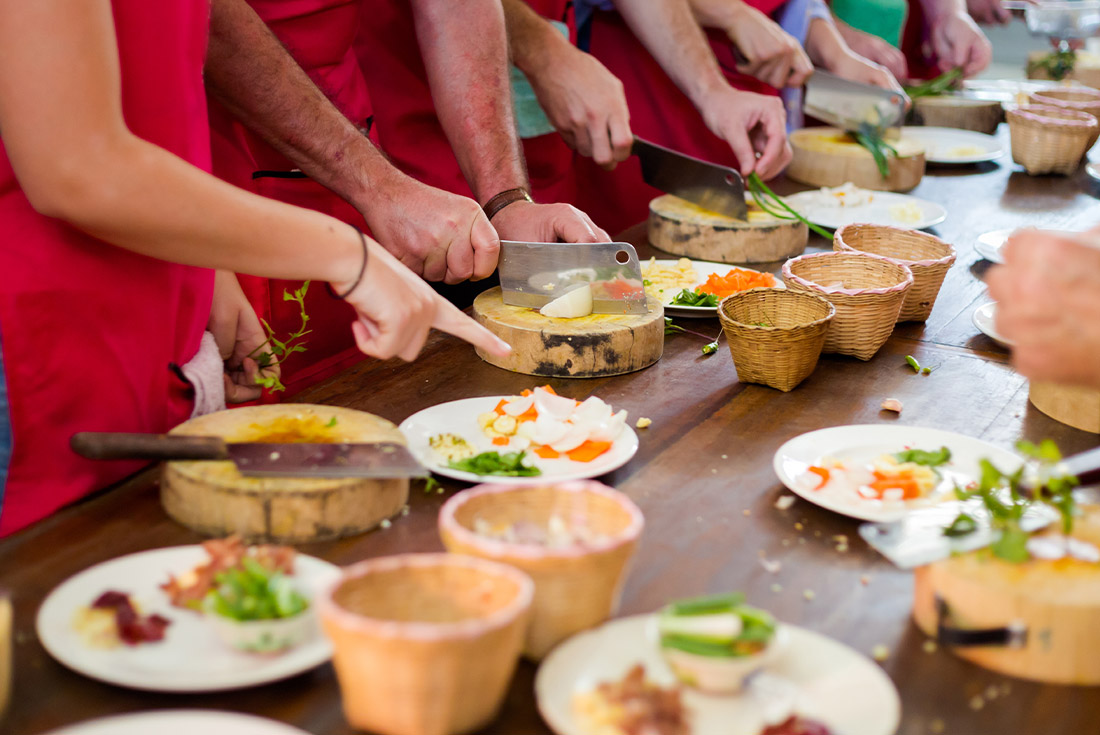
Alongside the hawker stops there are meals eaten with locals and a session learning how to cook some of the dishes yourself — part of Intrepid's pattern of supporting the communities the trip passes through. It runs in the Original tier — tourist-class hotels, some meals included, a mix of fixed activities and free time — rather than the more packaged Comfort or Premium versions. That suits a food-led route where the point is often wandering off to try whatever caught your eye at the last stall.
Bookings and practicalities
The group runs at a maximum of 12, with a minimum age of 15. Prices start from £1,545. The 6 pm welcome meeting on day one is worth being on time for — insurance and next-of-kin details are collected then. Optional add-ons include a traditional tea ritual at Raffles Hotel in Singapore for SGD 9. Physically it's undemanding — this is a trip for eating rather than hiking, though the Cameron Highlands section does include a forest walk.
The shape of the trip.
What's typically in the price, what isn't.
A general guide for food holidays of this kind. Check the operator's booking page for the final inclusions on this specific trip.
Typically included
- ✓Hotel or guesthouse accommodation — double or twin rooms, often locally-owned
- ✓A local leader or tour manager throughout
- ✓Most cooking classes, market visits and producer tours on the itinerary
- ✓Some meals — typically breakfasts, a few shared lunches and the cooking-class dinners
- ✓In-country transport between towns on the route (train, minibus, driver)
Typically not included
- ×Flights to and from the start city
- ×Travel insurance (strongly recommended)
- ×Most evening meals and lunches — eat where the group or your nose leads
- ×Drinks beyond what's included with set meals — wine flights and cocktails are extra
- ×Single-room supplements on shared-room departures (often £200-500 per trip)
- ×Tips for the tour leader and host families (customary but discretionary)
Everything you might be wondering.
Q1How much cooking is there?
Varies widely. A 'real food adventure' is typically 1-2 cooking classes plus market visits, food tastings and restaurant meals on an otherwise normal small-group trip. A cooking-school week is 4-5 hands-on sessions — that's most of the holiday. Check the day-by-day.
Q2Can I get vegetarian / vegan / gluten-free?
Yes. Cooking-focused holidays handle dietary requirements well — the organiser speaks to local hosts and cooks ahead of time. Flag requirements at booking, not on arrival. Some remote itineraries (street food in Marrakech, markets in Vietnam) are harder for strict veganism — ask before paying.
Q3Is the food high-end or everyday?
Most trips we list focus on everyday local cooking — market produce, home kitchens, family-run tavernas. Michelin-tier dining holidays exist but are niche. The ones worth travelling for are the home-cook-led ones.
Q4Will I gain weight?
Probably yes — but the good ones build walking into the day so it evens out. Tours that include long walks between meals (Tuscany, Puglia) keep you honest. Pure cooking-school weeks are where the damage happens.
Q5Can I travel solo?
Cooking classes suit solo travellers well — you're in a group for the cooking, then free between sessions. Single-room supplements apply; some operators offer shared-room matching. Escorted food tours (Intrepid, Flavours) are set up for solos.
Q6Do I need to speak the language?
No. English-speaking hosts are the norm on organised trips, and a local co-translator is common. Learn a few words for ingredients — it makes the hosts smile.
Q7Is it family-friendly?
Some trips explicitly welcome families (teen+ usually); others are adult-focused. Kids love market visits and pasta-making; they hate three-hour wine tastings. Read the age policy before booking.
Q8What about cancellation?
Typically 20-25% deposit at booking, balance 8-10 weeks before departure. Check the operator's own terms — food tours sometimes have tighter windows because small-group trips have low break-even thresholds. Travel insurance strongly recommended.
Three food holidays, side-by-side.
Other food holidays on Mooch in the same spirit. All prices per person, from the operator.