About this trip.
Cologne Cathedral in December
The twin spires of Cologne Cathedral rise above one of Germany's largest Christmas markets, and that's where this trip finds its anchor. From Cologne, the Rhine winds south through its famous Gorge and on into Alsace, ending at Strasbourg — a city that takes the festive season more seriously than almost anywhere else in Europe. The holiday pairs rail travel with a cruise along the river itself, stitching together the market towns and cathedral cities that make the Rhine corridor such a natural stage for Advent.
The river and the Gorge
The Rhine Gorge is the stretch that gives the cruise its scenery. Between Koblenz and Bingen the river narrows, vineyards climb the slopes, and ruined castles appear at what feels like every bend. Cruising it in winter means bare vines, low light, and much quieter decks than in high summer, with the gorge towns — Boppard, St Goar, Bacharach — lit up for Advent rather than crowded with coach parties. Beyond the Gorge, the run down to Strasbourg crosses into another world: half-timbered Alsatian streets, the pink sandstone of Strasbourg Cathedral, and the Christkindelsmärik that has been trading at the foot of it since 1570.
Rail to the river, cruise to the market
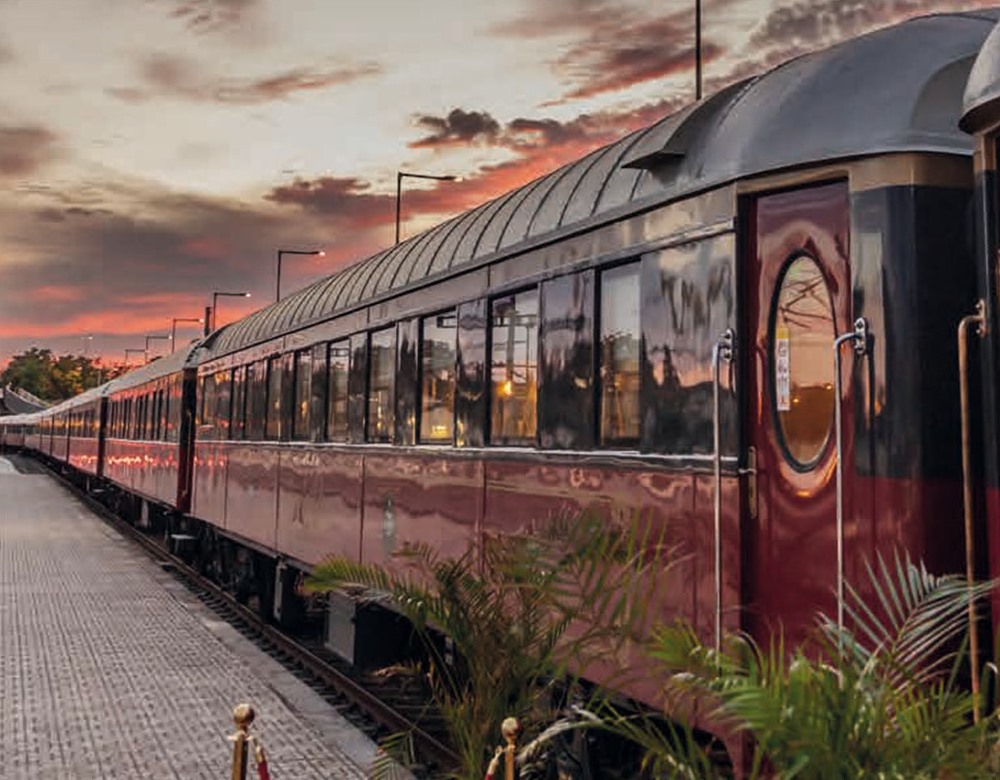
Great Rail Journeys runs this as a combined rail-and-river holiday. You travel out by train — Eurostar and onward European services — rather than flying, which sets the pace from the start and gets you to the boat without an airport in between. The cruise section handles the Rhine itself, with days ashore at the market towns along the way. It's a good fit for travellers who'd rather unpack once, prefer a glass of Riesling to a pint at altitude, and don't mind a cold morning on deck in exchange for a Christmas market that hasn't been shipped in for the tourists.
Dates, boat and what to pack
Accommodation is aboard the river vessel for the cruising portion, with meals included; rail travel to and from the UK is part of the package. Departures cluster in late November and December, tracking the Advent and Christmas market calendar. Bring a proper coat and waterproof shoes — the Rhine corridor in December is cold, often foggy, and the markets don't move indoors for anyone. Worth checking which specific market towns your departure visits, as the stops vary between itineraries.
The shape of the trip.
What's typically in the price, what isn't.
A general guide for rail holidays of this kind. Check the operator's booking page for the final inclusions on this specific trip.
Typically included
- ✓Rail tickets on the published route, in the ticket class booked
- ✓Hotel accommodation between rail days, breakfast included
- ✓A tour manager throughout on escorted departures
- ✓Luggage handling between hotels on escorted tours
- ✓Some meals — typically breakfasts and a few set dinners; check the day-by-day
- ✓Any included excursions or entrance fees listed on the itinerary
Typically not included
- ×Flights to and from the start city
- ×Travel insurance with rail-protection cover (strongly recommended)
- ×Most lunches and some evening meals — eat at stations or in town
- ×Upgrades: first-class legs, sleeper cabin upgrades, single rooms on shared departures
- ×Drinks on board beyond anything stated in the itinerary
- ×Tips for the tour manager (customary but discretionary)
Everything you might be wondering.
Q1Do I have to change trains?
On most escorted tours, yes — the route is the point, not a single through-train. A tour manager handles the connections and your luggage. Independent itineraries come with pre-booked tickets and detailed routing, but you work the changes yourself.
Q2Are meals included?
Breakfasts at hotels are usually included. Dinners and lunches vary by tour. Many scenic day services have a dining car or trolley you can pay for on board. Check the day-by-day — escorted tours list every meal that's included.
Q3Is luggage handled?
On escorted tours your main bag is moved between hotels while you carry a day bag on the train. On independent itineraries you move your own luggage — pack a case you can lift onto a train without help.
Q4First class or second?
First class on European trains is wider seats, quieter carriages, sometimes complimentary drinks. Second class is perfectly fine and about a third cheaper. Upgrades to first are usually £50-150 per leg on longer routes.
Q5Can I travel solo?
Escorted rail tours suit solo travellers well — there's a tour manager, a set schedule, and shared hotel dinners most nights. Single-room supplements apply (typically £300-600 on a 10-day tour). A handful of departures are marked 'no single supplement' — watch the operator's calendar if you want to save.
Q6Is it slower than flying?
Yes, and that's the point. London to Zurich by train is 8 hours via Paris and the TGV, versus 2 hours in the air plus 3 hours of airport on each side. The difference is how you arrive — rested, in the middle of the city, having watched the journey.
Q7What if a train is cancelled?
Escorted tours have tour-manager contingency — the operator rebooks and absorbs the cost. Independent itineraries depend on your ticket type (flexible versus advance) and whether you have rail-protection insurance. Take it.
Q8What about cancellation?
Typically a 20-25% deposit at booking, balance due 8-10 weeks before departure. Rail tickets are a sunk cost once issued, which matters on longer trips. Travel insurance with rail cover is sensible.
Three rail holidays, side-by-side.
Other rail holidays on Mooch in the same spirit. All prices per person, from the operator.