About this trip.
Bavaria in Advent
Bavaria takes Christmas seriously. From late November, town squares across the region fill with wooden stalls selling Glühwein, Lebkuchen and hand-carved nativity figures, and the Christkindlesmärkte become the social centre of the short, cold days. Nuremberg's is the most famous — and the most crowded — but the character varies from town to town: some are grand civic affairs on cathedral squares, others small and quietly traditional. It's less about shopping than about standing in a square with a warm cup in your hands as the light goes.
Why rail, not coach
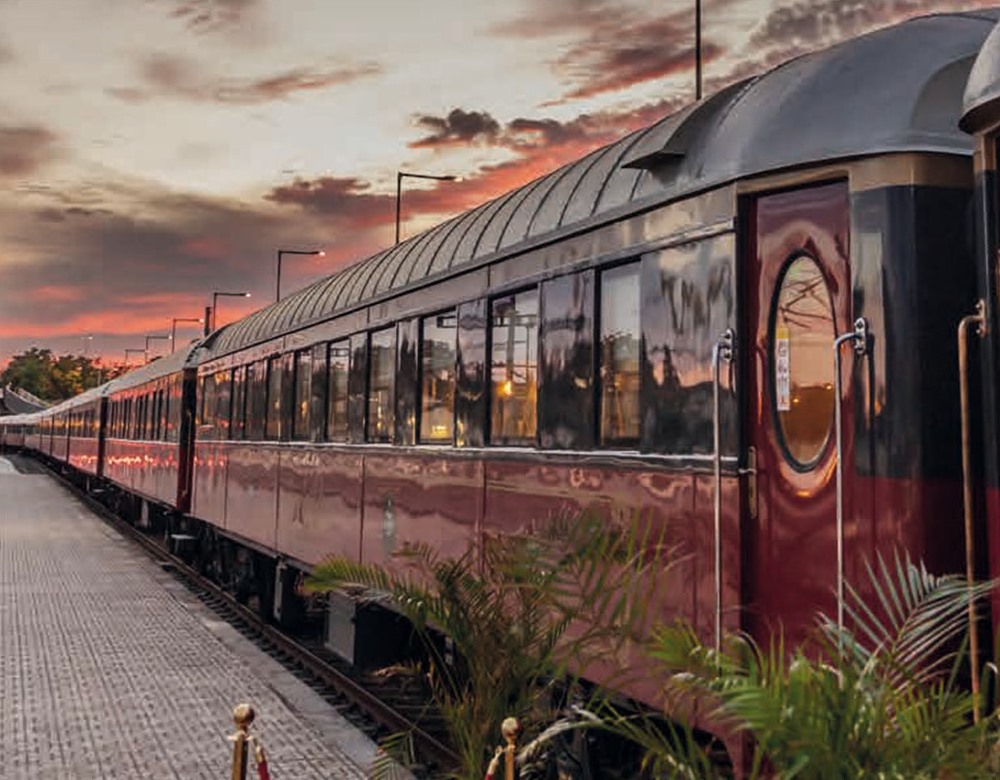
This trip links the markets by train. You arrive in the middle of town, walk out of the station, and the market is usually there. No coach park, no motorway monotony between stops, and the snow-dusted countryside between Bavarian cities — forested hills, church spires, the occasional castle — is part of the trip rather than something to sit through. German rail is punctual and comfortable, and if you'd rather read than drive, it's the sensible way to move between towns in winter.
Before you book
A rail-based markets tour tends to appeal to people who like their travel organised but not regimented. Great Rail Journeys handles the connections, hotels and transfers, which removes the work of deciphering DB timetables and hunting for rooms that will almost certainly be full by October. Expect a mix of led visits and free time, early evenings (the markets generally close around 9pm), and a fair bit of walking on cobbles in cold weather. Pack layers, proper boots and an appetite for sausage, stollen and anything served with mulled wine.
For specific towns, departure dates and what's included, check the current itinerary on the operator's site. Bavarian Christmas markets are popular, and trips in the best weeks tend to sell out well ahead.
The shape of the trip.
What's typically in the price, what isn't.
A general guide for rail holidays of this kind. Check the operator's booking page for the final inclusions on this specific trip.
Typically included
- ✓Rail tickets on the published route, in the ticket class booked
- ✓Hotel accommodation between rail days, breakfast included
- ✓A tour manager throughout on escorted departures
- ✓Luggage handling between hotels on escorted tours
- ✓Some meals — typically breakfasts and a few set dinners; check the day-by-day
- ✓Any included excursions or entrance fees listed on the itinerary
Typically not included
- ×Flights to and from the start city
- ×Travel insurance with rail-protection cover (strongly recommended)
- ×Most lunches and some evening meals — eat at stations or in town
- ×Upgrades: first-class legs, sleeper cabin upgrades, single rooms on shared departures
- ×Drinks on board beyond anything stated in the itinerary
- ×Tips for the tour manager (customary but discretionary)
Everything you might be wondering.
Q1Do I have to change trains?
On most escorted tours, yes — the route is the point, not a single through-train. A tour manager handles the connections and your luggage. Independent itineraries come with pre-booked tickets and detailed routing, but you work the changes yourself.
Q2Are meals included?
Breakfasts at hotels are usually included. Dinners and lunches vary by tour. Many scenic day services have a dining car or trolley you can pay for on board. Check the day-by-day — escorted tours list every meal that's included.
Q3Is luggage handled?
On escorted tours your main bag is moved between hotels while you carry a day bag on the train. On independent itineraries you move your own luggage — pack a case you can lift onto a train without help.
Q4First class or second?
First class on European trains is wider seats, quieter carriages, sometimes complimentary drinks. Second class is perfectly fine and about a third cheaper. Upgrades to first are usually £50-150 per leg on longer routes.
Q5Can I travel solo?
Escorted rail tours suit solo travellers well — there's a tour manager, a set schedule, and shared hotel dinners most nights. Single-room supplements apply (typically £300-600 on a 10-day tour). A handful of departures are marked 'no single supplement' — watch the operator's calendar if you want to save.
Q6Is it slower than flying?
Yes, and that's the point. London to Zurich by train is 8 hours via Paris and the TGV, versus 2 hours in the air plus 3 hours of airport on each side. The difference is how you arrive — rested, in the middle of the city, having watched the journey.
Q7What if a train is cancelled?
Escorted tours have tour-manager contingency — the operator rebooks and absorbs the cost. Independent itineraries depend on your ticket type (flexible versus advance) and whether you have rail-protection insurance. Take it.
Q8What about cancellation?
Typically a 20-25% deposit at booking, balance due 8-10 weeks before departure. Rail tickets are a sunk cost once issued, which matters on longer trips. Travel insurance with rail cover is sensible.
Three rail holidays, side-by-side.
Other rail holidays on Mooch in the same spirit. All prices per person, from the operator.