About this trip.
Wiltshire's ancient concentration
Three of Britain's most significant historic sites sit within a short stretch of Wiltshire chalk country: Salisbury Cathedral, Stonehenge and Avebury. Between them they span roughly four thousand years of English history, and this trip takes in all three.
Wiltshire's open downs have been shaped by human hands for millennia. The density of barrows, earthworks and standing stones is unmatched in Britain — part of why the area around Stonehenge and Avebury is jointly listed as a UNESCO World Heritage Site. You are, in effect, travelling through one long palimpsest of English landscape.
Salisbury, Stonehenge, Avebury
Salisbury Cathedral was begun in 1220 and has the tallest spire in Britain, at 123 metres. It holds the best-preserved of the four surviving 1215 copies of Magna Carta in its Chapter House. The cathedral close around it is one of the most complete in England, a quiet stretch of Georgian and medieval houses set beside the River Avon, and the city itself is compact and handsome rather than showy.
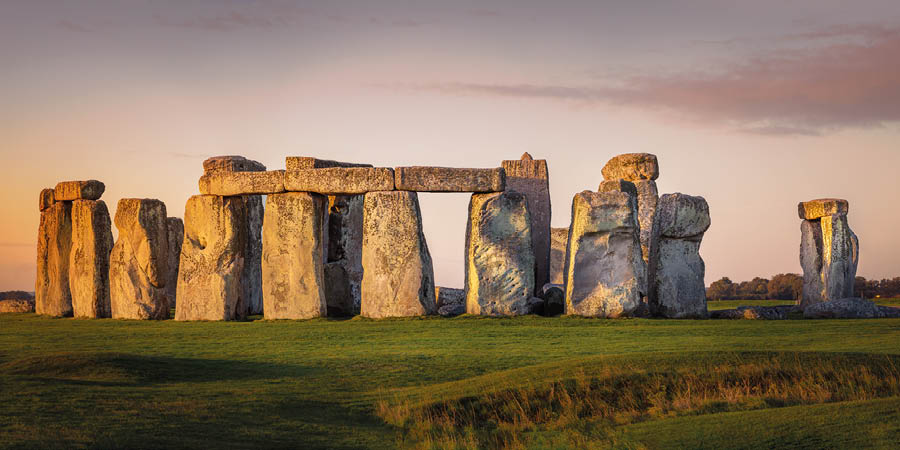
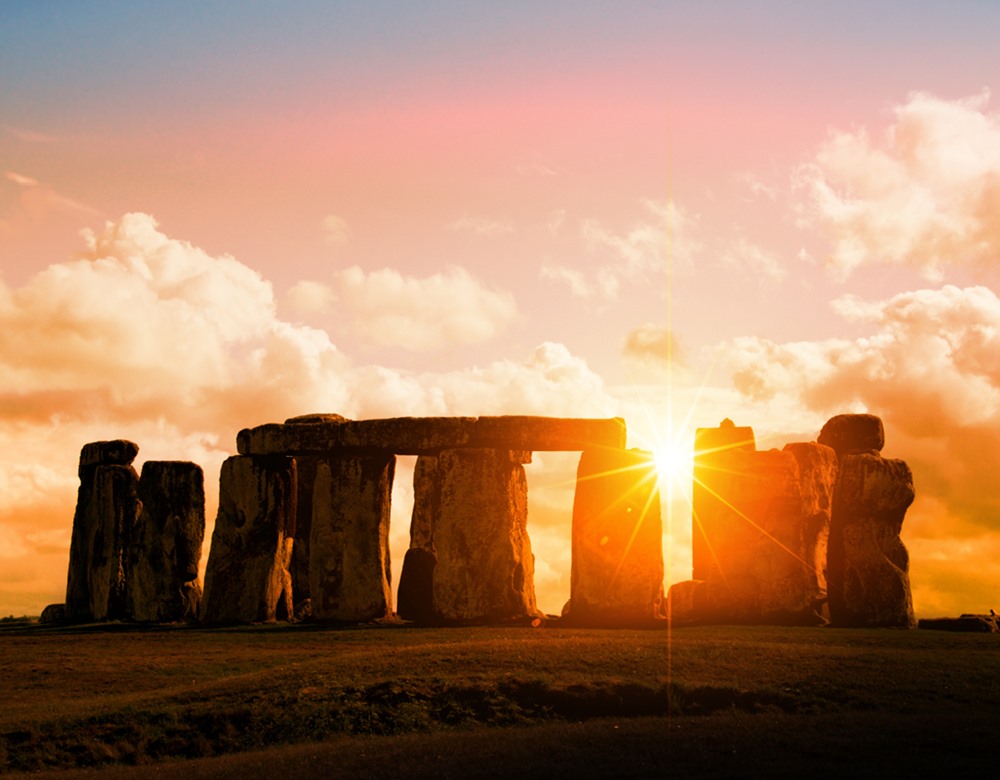
Stonehenge needs little introduction. The stones date to roughly 2500 BC, set on a treeless stretch of Salisbury Plain — the great sarsens are the ones people picture, though the smaller bluestones travelled from the Preseli Hills in west Wales. The visitor centre and walk-up approach mean it's busy, particularly in summer, but it remains genuinely strange to stand near.
Avebury is a different proposition. The stone circle is far larger than Stonehenge — the largest in Europe — and a village sits inside it, with pub and parish church among the stones. You walk freely between them rather than viewing from a roped path, and the surrounding complex includes Silbury Hill and the West Kennet Long Barrow. For many visitors, it's the more affecting of the two circles.
The practical side
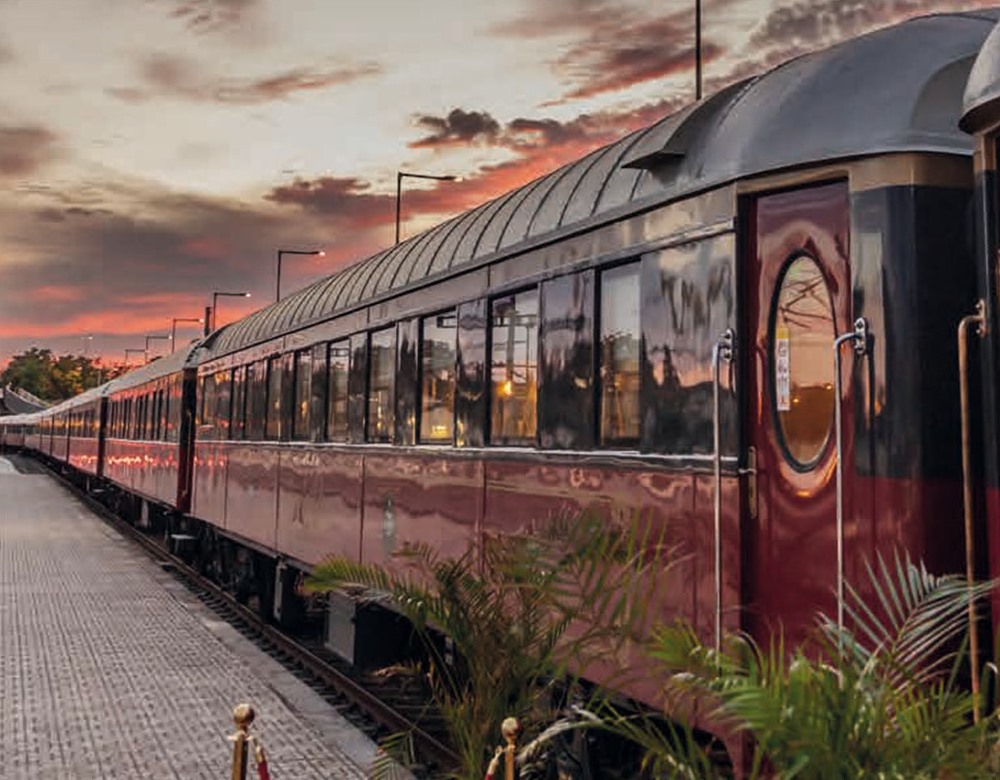
This is a rail-based holiday, with Salisbury as the natural base. The city is on the main line from London Waterloo, and both Stonehenge and Avebury are within easy reach by road from there. Great Rail Journeys handles the travel, transfers and accommodation, so you arrive at each site without having driven yourself.
It suits travellers who prefer to look at things properly rather than tick them off, and who want the logistics taken care of. For independent walkers or those after a specialist archaeological course, look elsewhere — this is a considered general introduction to three of the most significant ancient sites in England, in the company of a group.
The shape of the trip.
What's typically in the price, what isn't.
A general guide for rail holidays of this kind. Check the operator's booking page for the final inclusions on this specific trip.
Typically included
- ✓Rail tickets on the published route, in the ticket class booked
- ✓Hotel accommodation between rail days, breakfast included
- ✓A tour manager throughout on escorted departures
- ✓Luggage handling between hotels on escorted tours
- ✓Some meals — typically breakfasts and a few set dinners; check the day-by-day
- ✓Any included excursions or entrance fees listed on the itinerary
Typically not included
- ×Flights to and from the start city
- ×Travel insurance with rail-protection cover (strongly recommended)
- ×Most lunches and some evening meals — eat at stations or in town
- ×Upgrades: first-class legs, sleeper cabin upgrades, single rooms on shared departures
- ×Drinks on board beyond anything stated in the itinerary
- ×Tips for the tour manager (customary but discretionary)
Everything you might be wondering.
Q1Do I have to change trains?
On most escorted tours, yes — the route is the point, not a single through-train. A tour manager handles the connections and your luggage. Independent itineraries come with pre-booked tickets and detailed routing, but you work the changes yourself.
Q2Are meals included?
Breakfasts at hotels are usually included. Dinners and lunches vary by tour. Many scenic day services have a dining car or trolley you can pay for on board. Check the day-by-day — escorted tours list every meal that's included.
Q3Is luggage handled?
On escorted tours your main bag is moved between hotels while you carry a day bag on the train. On independent itineraries you move your own luggage — pack a case you can lift onto a train without help.
Q4First class or second?
First class on European trains is wider seats, quieter carriages, sometimes complimentary drinks. Second class is perfectly fine and about a third cheaper. Upgrades to first are usually £50-150 per leg on longer routes.
Q5Can I travel solo?
Escorted rail tours suit solo travellers well — there's a tour manager, a set schedule, and shared hotel dinners most nights. Single-room supplements apply (typically £300-600 on a 10-day tour). A handful of departures are marked 'no single supplement' — watch the operator's calendar if you want to save.
Q6Is it slower than flying?
Yes, and that's the point. London to Zurich by train is 8 hours via Paris and the TGV, versus 2 hours in the air plus 3 hours of airport on each side. The difference is how you arrive — rested, in the middle of the city, having watched the journey.
Q7What if a train is cancelled?
Escorted tours have tour-manager contingency — the operator rebooks and absorbs the cost. Independent itineraries depend on your ticket type (flexible versus advance) and whether you have rail-protection insurance. Take it.
Q8What about cancellation?
Typically a 20-25% deposit at booking, balance due 8-10 weeks before departure. Rail tickets are a sunk cost once issued, which matters on longer trips. Travel insurance with rail cover is sensible.
Three rail holidays, side-by-side.
Other rail holidays on Mooch in the same spirit. All prices per person, from the operator.